
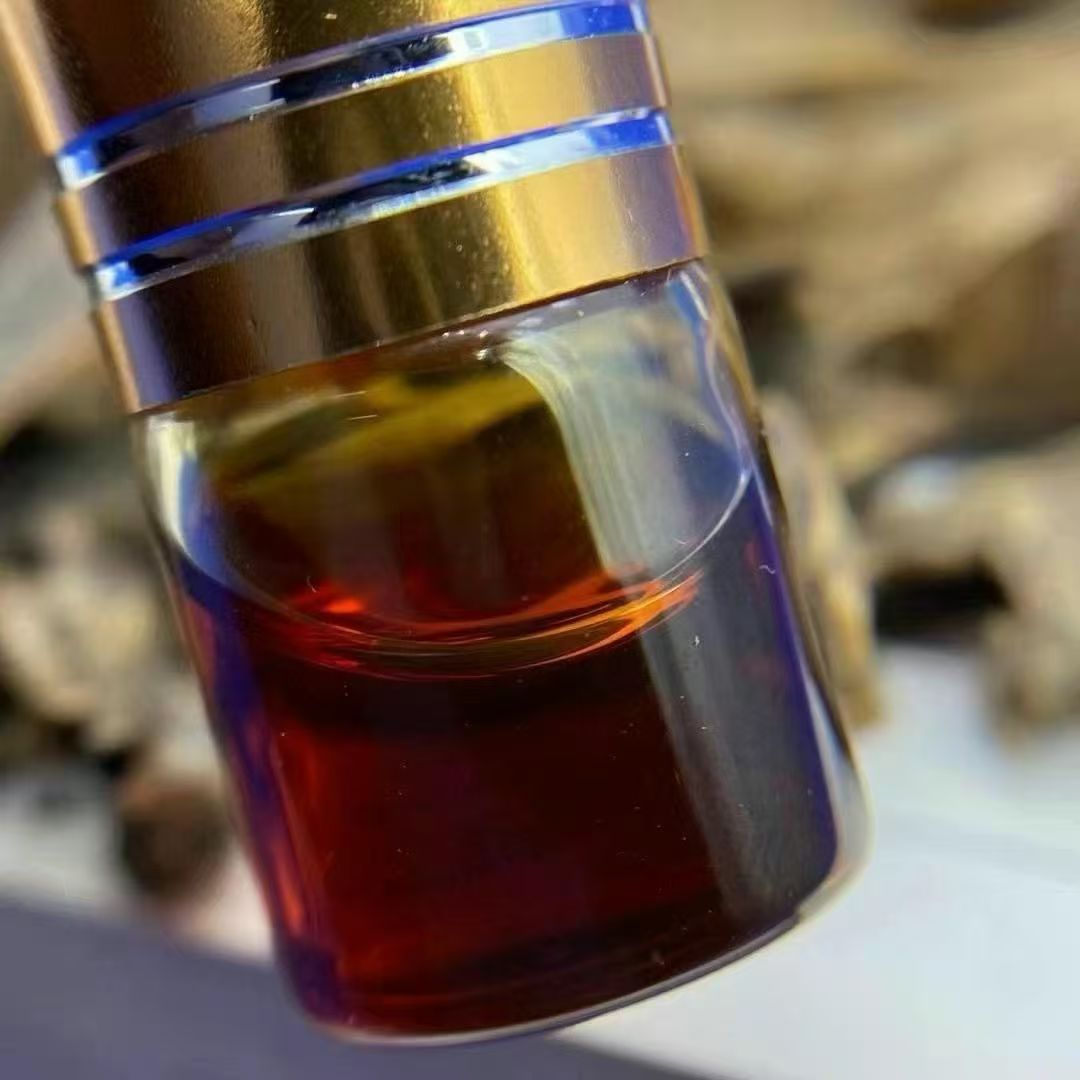
Choosing an agarwood essential oil manufacturer is a qualification exercise, not a price comparison. The supplier worth a bulk order is the one you can defend in writing: a lot-linked sample, a batch record, and a quotation whose terms you can compare line by line against two other bidders.
Start With the Name, Not the Grade
"Oud oil" and "agarwood oil" describe the same aromatic material under two naming traditions. Oud is the Arabic and South Asian term; agarwood is the English trade name for the resinous heartwood of Aquilaria and closely related genera. Neither word is a specification. A quotation that says only "pure oud oil" tells you nothing about species, extraction route, dilution or the lot it came from.
Treat both names as a category, then ask the supplier to convert the name into clauses: botanical source, part of the plant used, extraction method, whether the oil is diluted in a carrier, and the batch reference the price applies to. Buyers who skip this step usually discover the gap at arrival, when the oil smells right but the paperwork cannot support the claim they have already sold to their own customers.
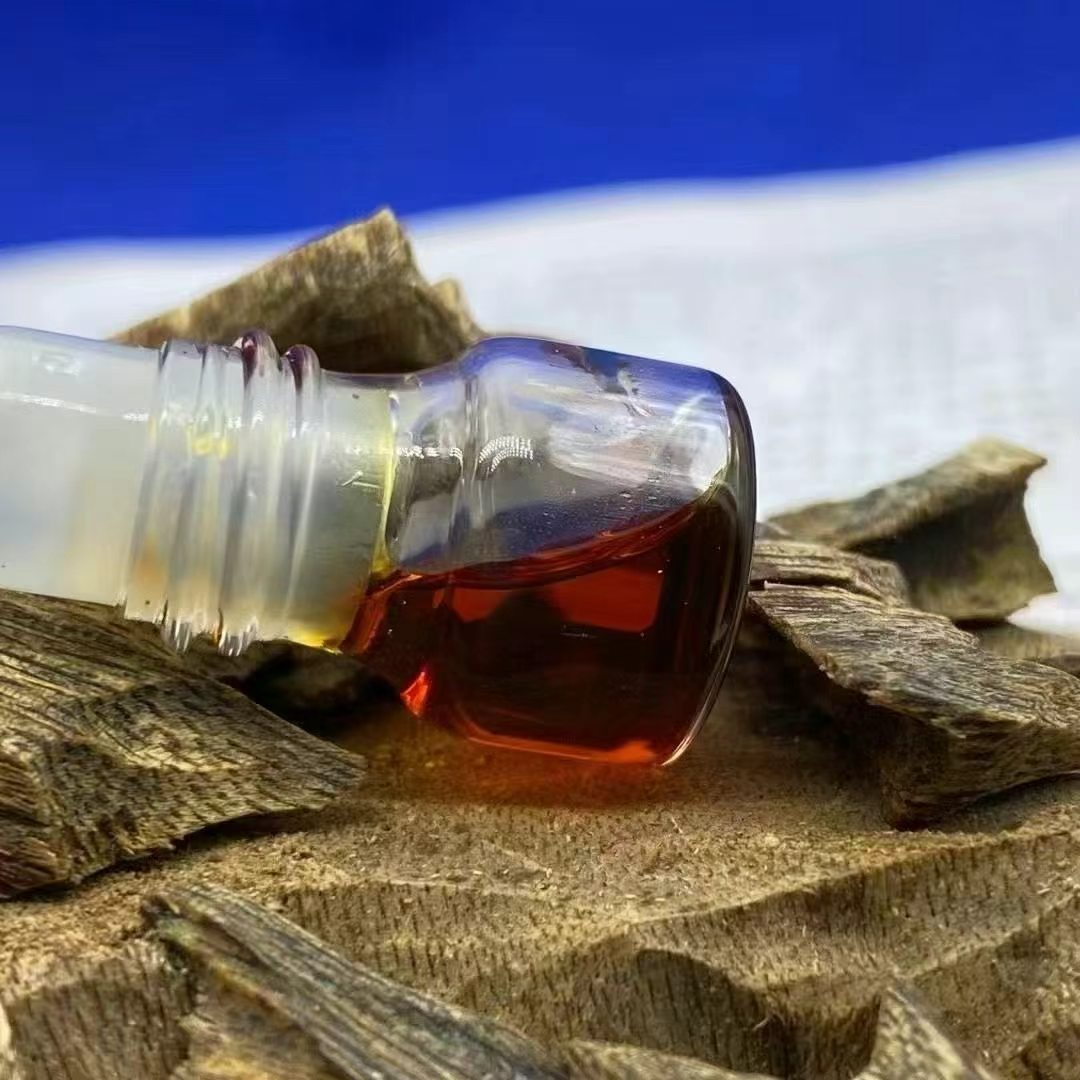
Raw Material Source and Processing Route Shape the Evaluation
Two oils can carry the same name and behave differently in formulation because the raw material and the route differ. Source questions worth asking in writing:
- Which species and which growing region does the material come from?
- Is the raw material plantation-grown or wild-collected, and can the supplier describe how resin formation was managed?
- Which extraction route was used — for example steam or water distillation, solvent extraction, or supercritical CO2 — and is that route stated on the batch record?
- Is the oil sold as supplied, or diluted in a carrier such as a fixed oil or a synthetic solvent?
Route matters commercially as well as technically. Supercritical and distilled oils differ in yield, colour, odour profile and cost, so a quotation becomes comparable only once the route is fixed. For a worked comparison of how the route changes what a buyer receives, see our article on steam-distilled versus supercritical agarwood oil.
Why Aroma Alone Cannot Prove Purity or Authenticity
Smelling a sample is necessary and insufficient. Human sensory assessment is not a quantitative method: it varies between assessors, between days, and with the dilution and the substrate the oil is tested on. Aroma can confirm that a sample sits in the right family; it cannot confirm that the oil is undiluted, that the species is what the invoice says, or that the batch you approve matches the batch you receive.
That is why the strongest supplier files pair sensory notes with documentary evidence and, where the buyer's risk justifies it, laboratory results. Ask what testing the supplier performs, on which lots, and whether results are lot-specific or generic. If a supplier cannot say which lot a report belongs to, the report does not support the shipment.
Manufacturer, Wholesaler or Trader: What the Difference Costs You
A manufacturer controls material selection and processing; a wholesaler buys and resells; a trader may never see the goods. All three can be legitimate partners, but they carry different risks. When you buy from a trader, the batch record, the processing route and the ability to repeat a grade sit with a third party you have not qualified.
Practical verification: match the legal entity on the quotation to the entity on the bank account, the export licence and the documents that accompany the shipment. Ask who physically processes the oil, and where. Our walkthrough of how to verify who really produces the oil sets out the document trail that separates the two.
How to Verify Production and Supply Capability
Capability is proved by repeatability, not by a factory photograph. Ask for the processing equipment and the material flow, then test the claim on a small order: does the second shipment match the first on colour, odour and documentation? A supplier with genuine raw-material access can usually explain how much material it holds, how it is stored, and what happens when a grade runs short.
Where a site visit is impractical, a live video walk through the processing area — with the lot you are quoting visible on camera — is a reasonable substitute. Our quality and supply framework describes the select, process, check and pack sequence a buyer can ask a supplier to walk through, and it is deliberately scoped to order-level checks rather than a certified quality system.
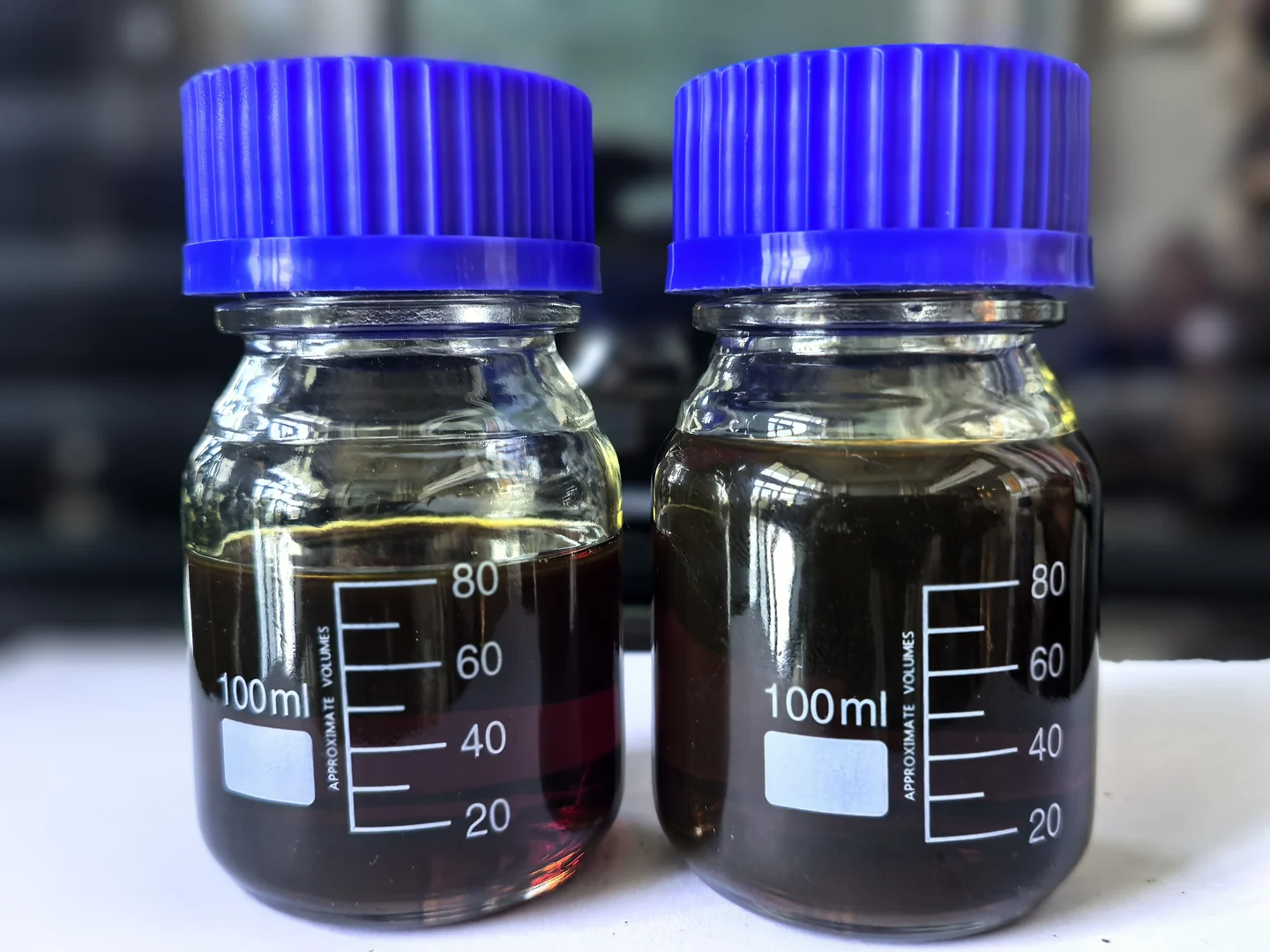
Samples, Batch Records and Test Documents to Request
Request samples against a stated lot rather than from a generic stock bottle, and ask for the documents that should travel with it:
- Batch or lot number, production date and quantity produced
- Species and origin declaration
- Extraction route and any carrier or diluent used
- Certificate of analysis, where the supplier issues one — and the test methods behind it
- Safety data sheet for the material as supplied
- Any export or species documentation the shipment will travel under
Keep the sample sealed, labelled and referenced in the purchase order so the approved sample becomes the contractual benchmark. Our guide to wholesale agarwood oil sample evaluation gives a record sheet you can copy.
Oud Oil Supplier Evaluation Checklist
| Area | What to confirm | Evidence to request | Red flag |
|---|---|---|---|
| Raw material source | Species, region, plantation or wild origin | Written origin declaration tied to the lot | Origin given only verbally, or as "Asia" |
| Sample performance | Colour, odour, behaviour in your base | Lot-linked sample plus your own trial record | Sample from unbranded stock with no lot number |
| Batch records | Lot number, date, quantity, route | Batch record and, where issued, a lot-specific certificate of analysis | Generic certificate with no lot reference |
| Quotation terms | Unit, Incoterm, currency, validity | Written quotation with packaging and freight separated | One price with no delivery term |
| Packaging | Container, closure, fill weight, labelling | Pack specification and a photo of a packed unit | "Standard export packing" with no detail |
| Lead time | Production, documentation and transit clocks | Dated delivery schedule in the order confirmation | Lead time quoted only after deposit |
| Verifiable documents | Entity, bank, export and species papers agree | Copies matching the quotation entity | Documents issued in a different company name |
Designing a Sample Evaluation That Produces a Decision
Run every candidate sample through the same protocol so the results are comparable. A workable sequence: record the sample identity and receipt date; assess appearance in a standard glass container under the same light; smell the undiluted material, then a fixed dilution in a neutral carrier; apply to a standard substrate if the end use is a finished product; and record observations against a fixed score rather than a free-text impression.
Score each sample on the same criteria — odour character, intensity, persistence, colour, clarity and behaviour in your formulation — and keep the score sheet with the sample. The output should be a written approval or rejection per lot, signed by the person who will own the specification.
Batch Consistency, Storage and Packaging
Consistency is a specification problem before it is a supplier problem. Write down the tolerance you will accept on colour, odour and any measured parameter, then require the supplier to state the lot's values against it. Ask how the oil is stored before dispatch and in what container, because aromatic oils are affected by light, heat and oxygen exposure.
Packaging should be defined per project: container material, closure type, fill weight, headspace, labelling and outer carton. Vague "export packing" language is where claims begin. Our packaging and storage specification guide shows the clause structure, and the same logic applies to oil.
What Actually Drives the Quotation
Five variables move an oud oil price: the raw material and its grade, the extraction route and yield, the packaging format, the testing and documentation included, and the logistics and delivery term. A quotation that names a price per kilogram without separating these is not comparable with anything.
Ask for the price to be built up: material cost, processing, packing, any testing, freight and insurance, and the Incoterm that defines where risk passes. Our breakdown of bulk oud oil price comparison converts competing bids into landed cost per kilogram of usable material.
Comparing Three or More Quotations Beyond Unit Price
Three bids are the practical minimum for a defensible decision, and the comparison should be made on identical terms. Normalise every offer to the same Incoterm, currency, packaging unit, documentation set and delivery window before you look at the number. Then compare landed cost per kilogram, the batch documentation offered, the sample approval route and the supplier's stated capacity to repeat the grade.
Record the comparison in a table with one row per supplier and one column per criterion, and note where a bid is silent. Silence is a finding: an unanswered question about species or documentation is a risk you are accepting, not a gap in your form.
Destination-Market Compliance: SDS, Ingredient Data and Labeling
Requirements depend on what you are importing, how it is classified and where it enters. As a buyer, confirm with your own regulatory adviser or customs authority which rules apply, and ask the supplier for the documents that support them: a safety data sheet for the material as supplied, ingredient and composition information, and the labelling data your market requires for the finished product.
For fragrance use, the IFRA Standards set out how fragrance ingredients are assessed for safe use; whether and how they apply to your product is a question for your assessor, not for a supplier's marketing copy. Do not accept "food grade", "therapeutic grade" or "certified organic" as a substitute for a document that names the standard and the certificate holder.
CITES and Export Documents for Regulated Agarwood Species
Several agarwood-producing species are listed under CITES, and the listing applies to parts and derivatives in defined forms. That does not mean every consignment of oil requires the same permit: the requirement depends on the species, the form and quantity of the material, and how the importing country implements the listing. Confirm the position for your own shipment with your customs authority, and check species status in the official CITES species checklist.
What you can ask the supplier regardless of the outcome: which species the lot comes from, which permit or certificate the shipment will travel under, who the named permit holder is, and whether the permit description matches the goods. A permit that describes wood chips will not clear a consignment of oil. Our guide to what each document proves, and what it does not covers the document families in detail.
MOQ, Sampling Runs and Custom Packaging Questions
Minimum order quantity is an allocation figure. It reflects lot size, cleaning or changeover between grades, packaging runs and the documentation issued per shipment. Ask what the MOQ is based on, whether a smaller trial run is possible, and what changes about price and lead time if you order a sampling quantity first.
For private-label and OEM programmes, confirm in writing who supplies the bottle, who owns the label artwork, what approval steps exist before production, and how the approved sample is referenced in the order. Our private label programme guide sets out the briefing sequence, and the agarwood oil range shows the formats we currently discuss with buyers.
Lead Time, Logistics, Inspection and Claims
Lead time is several clocks running at once: material allocation, production, documentation and transit. Ask for a dated schedule rather than a single number, and identify which clock the supplier controls. Agree the inspection method before shipment — who inspects, against what specification, and what happens if the lot fails.
Write the claim route into the order: the notification window after arrival, the evidence you will provide, the remedy ladder and who bears return freight. A supplier who will not discuss claims terms before the order is telling you something useful.
Conclusion
Qualifying an agarwood essential oil manufacturer comes down to evidence you can file: a lot-linked sample, a batch record, a quotation on stated terms, and documents that agree with each other. Score every candidate against the same checklist, keep three bids on identical terms, and approve the lot rather than the brand story.
If you are defining a programme, share the intended application, target market, estimated quantity and packaging direction with our team through the contact page so the product family, sample route and commercial terms can be confirmed against what we can actually supply.
FAQ
Is oud oil the same as agarwood oil?
As a category, yes: both names describe aromatic material from Aquilaria and related genera. Neither term is a specification, so ask for species, extraction route and lot reference before you compare prices.
Can I judge pure oud oil by smell alone?
No. Sensory assessment is necessary but not quantitative, and it cannot confirm dilution or species. Pair it with lot documents and, where your risk justifies it, laboratory results tied to the same lot.
Do I need a CITES permit to import oud oil?
It depends on the species, the form and quantity of the material, and your importing country's rules. Confirm with your customs authority and check the CITES species checklist, then ask the supplier which permit the shipment will travel under.
What is a reasonable MOQ for a first oud oil order?
It varies with grade, lot size and packaging. Ask what the figure is based on and whether a smaller trial run is available before you commit to bulk quantity.
Which documents should accompany a sample?
Lot number and date, species and origin, extraction route and any diluent, plus a safety data sheet and any certificate of analysis the supplier issues for that lot.
How do I compare quotations from three suppliers?
Normalise every offer to the same Incoterm, currency, packaging unit, documentation set and delivery window, then compare landed cost per kilogram alongside the batch evidence offered.
Can aroma be used to reject a delivered lot?
Yes, if the approval criteria were written down and the approved sample was retained. Define the sensory criteria before the first shipment so the comparison is against a document, not a memory.


