
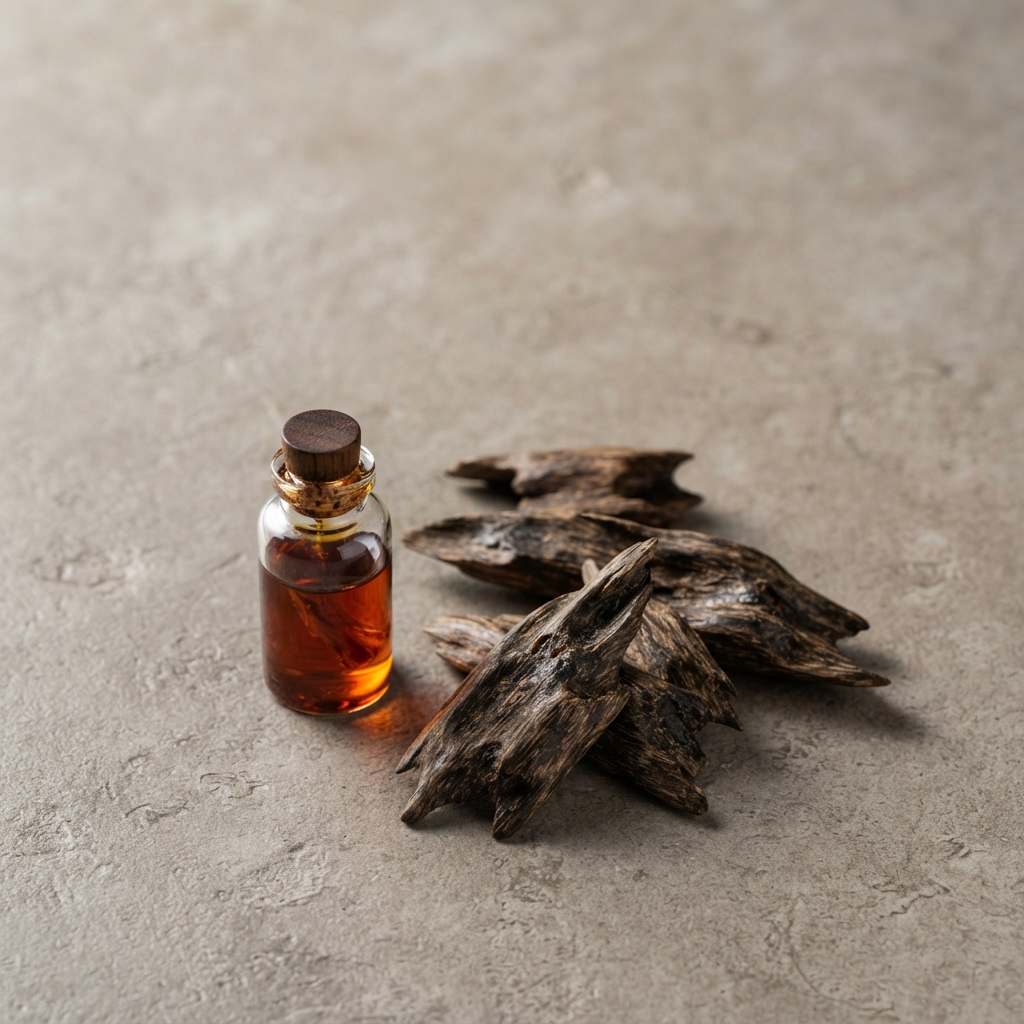
A bulk oud oil price is not a market rate you can look up and compare. It is one supplier's number for one material specification, one packaging format and one delivery term — which is why two quotations can differ by a factor of several and both be internally consistent. This guide shows how to normalise every quotation, how to read a bulk oud oil price per kg of the material you actually receive, and how to compare suppliers without being misled by the cheapest number on the page.
What a bulk oud oil price actually covers
Oud and agarwood oils are quoted in several units, and the unit alone can hide a large difference in value. A resin-rich oil quoted per tola is not comparable with the same oil quoted per kilogram of a diluted blend. Before you compare a single figure, ask each supplier to state the pricing basis in writing: a bulk oud oil price without a stated unit is not a quotation, it is a starting point.
| Quotation field | What it must say | Why it matters |
|---|---|---|
| Unit and basis | Per kilogram, per litre, per tola (about 11.66 g), or per finished bottle; net of packaging or gross | A per-bottle price can hide a small fill volume or an added diluent |
| Material declared | Botanical species, origin, and whether the oil is distilled from that species or blended | The declared material, not the trade name, is what you are buying |
| Delivery term | EXW, FOB, CFR or DDP, with port and named place | Freight, insurance and import clearance can exceed the material cost gap between two suppliers |
| Testing included | Which tests are quoted, who pays, and whether the report is batch-linked | Testing quoted as an optional extra is a different product at a different price |
| Validity and payment | Quote validity period, currency, deposit and balance structure | A quote that expires in seven days prices volatility differently from one valid for a quarter |
Oud oil or agarwood oil: the name does not set the price
"Oud" is the Arabic-derived trade name; "agarwood" and "gaharu" describe the same resinous wood and the oils derived from it. Choosing between the labels is a marketing and labelling decision, not a quality tier. What changes the price is what sits behind the label: the species, where it was grown, how the resin formed, how the oil was extracted, and whether the bottle contains a single distilled oil or an oil blended with carrier or aroma compounds.
This is why a buyer comparing a pure oud oil wholesale quotation with a cheaper “oud oil” quotation may be comparing two different product categories. For the naming conventions and what they legally imply on a label, see our breakdown of oud oil vs agarwood oil in B2B sourcing.
The seven cost lines inside a bulk quotation
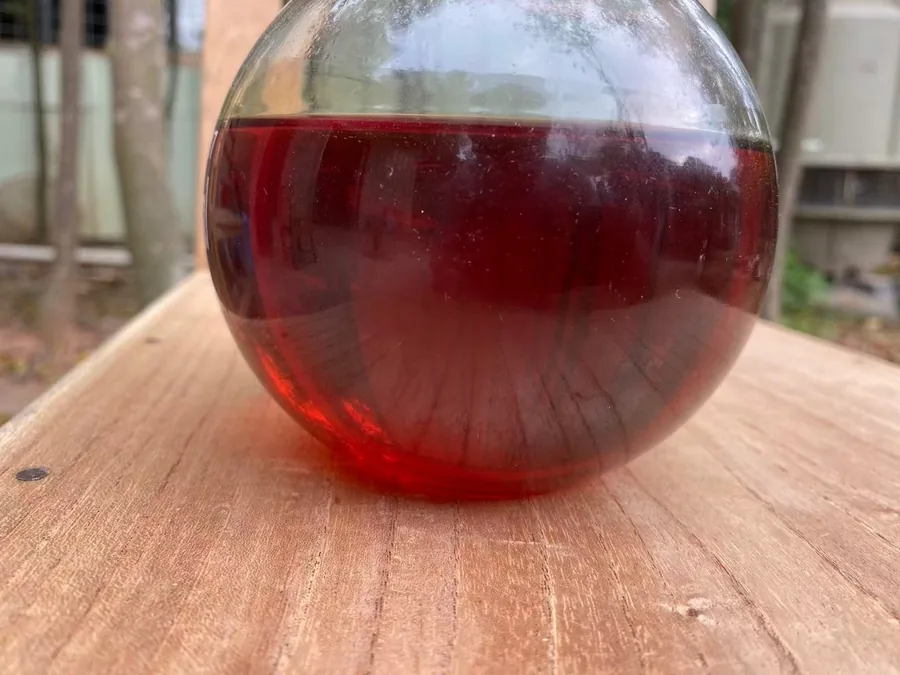
Every credible oud oil manufacturer price is built from a handful of cost lines. Ask for the quote broken out this way and you can see immediately whether two suppliers are offering the same thing.
1. Raw material source and resin grade
Cultivated plantation wood and wild-collected wood are different supply chains with different price behaviour, documentation and risk. Within either, resin content and the proportion of usable, oil-bearing wood determine how much material is needed per unit of oil. A quote that does not describe the wood or the grade is quoting a category, not a lot.
2. Extraction route and yield
Hydro and steam distillation, solvent-assisted routes and supercritical CO2 extraction differ in equipment cost, cycle time and yield, and they produce different aromatic profiles and different price levels. No route is automatically “better”; what matters is that the route is stated, consistent between sample and bulk, and appropriate to your application. Our comparison of steam-distilled and supercritical agarwood oil explains how to evaluate the difference in your own formulation rather than by route name.
3. Batch size and MOQ
Distillation runs are batch processes. A small trial run carries a higher per-unit cost than a full production batch, and packaging runs add their own minimums. This is the main reason a sample-scale price is not a bulk price.
4. Purity basis and dilution
If a quotation is for a diluted or compounded material — an oil extended with carrier or blended with aroma materials — the price should be per unit of the diluted product, stated as such. Never compare a diluted quote per kilogram with a neat oil quote per kilogram.
5. Packaging
Glass, aluminium bottles, food-grade plastic drums, fill volume, headspace and labelling all carry cost. Packaging also changes freight weight and breakage risk, so it belongs in the comparison rather than in a separate line added later.
6. Testing and documentation
Batch-linked test reports, safety data sheets, composition statements and permit paperwork take time and money. A supplier who includes them at no extra cost may simply have priced them in; a supplier who treats them as an add-on has given you the cheaper, less documented option.
7. Freight, insurance and duties
Oil is heavy relative to value in small volumes, and air freight can dominate a trial order. Compare quotations at the same Incoterm, and remember that the only bulk oud oil price that matters is the landed one.
Manufacturer, trader or re-bottler
Wholesale oud oil buyers meet three supplier types that quote very differently for what looks like the same product:
- Manufacturer or grower-processor — controls wood supply and distillation, can link a batch to production records, and usually has the highest MOQ but the most direct price.
- Trader or export agent — buys from one or several producers, adds margin and often handles export logistics well. Price is higher and batch traceability depends entirely on what the producer supplies.
- Re-bottler or blender — buys bulk and repacks or compounds it. Small minimums and fast delivery are the advantage; the risk is that the material identity, dilution and batch history are one step further from your sight.
None of these is automatically wrong for your business. What you must not do is pay a manufacturer's direct price for a trader's traceability, or accept a trader's documentation standard for a claim you intend to make on a label. In every case, ask whether the entity issuing the quotation is the same entity that holds the export or permit documents, and whether it operates the processing step it describes — the two questions that separate a real agarwood oil supplier from a broker.
Why a convincing smell cannot prove purity
Sensory evaluation is necessary and it is not evidence of composition. A trained buyer can detect off-notes, a flat dry-down or an unexpectedly short evolution, but the nose cannot quantify a carrier oil, identify a synthetic oud accord, or confirm the species. Perfumers also adapt to a material within minutes, and a sample evaluated on paper over two minutes says little about how it performs over eight hours on skin or in a base.
So treat aroma as one input, not a verdict. Pair it with a written declaration of what the material is, ask which tests exist for the batch you will actually receive, and be sceptical of any supplier whose quality argument rests only on adjectives. Aroma tells you whether the material suits your brief; documentation tells you what the material is.
Sampling that predicts the bulk lot
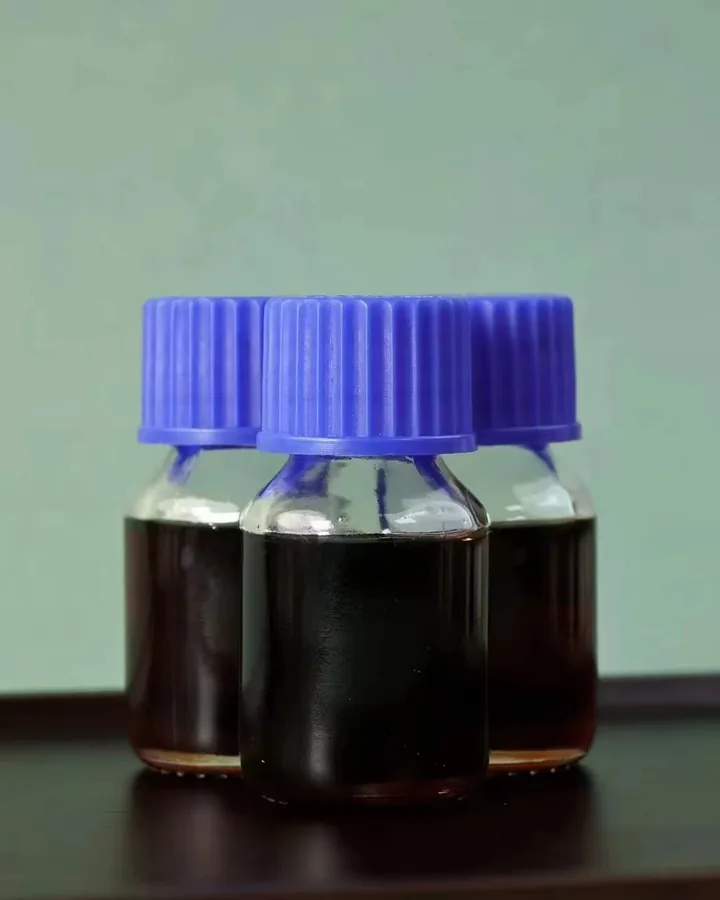
A sample is only useful if it represents the lot you will buy. Ask for the sample to be drawn from a stated batch, packed in the same material as the bulk offer, and accompanied by the batch reference. Record the date, quantity, storage conditions and your observations, then keep a retention sample sealed for the life of the order. Our agarwood oil sample evaluation record sets out the fields worth capturing.
Before approving, evaluate the sample in your real application. For oud oil for perfume manufacturing that means evaluating it in the base, at the dosage you intend, after the rest period your process requires. An oil that reads well neat can disappear or dominate in a blend.
Documents to request with every quotation
- Botanical species name and declared origin of the wood
- Statement of whether the material is cultivated or wild-collected
- Extraction method and, where applicable, whether any carrier or additive is present
- Batch or lot number, production date and best-before or retest guidance
- Safety data sheet in the language your market requires
- Composition, allergen and impurity information relevant to your destination and use
- Permit and origin documentation where the species and shipment require it
Request the documents for the specific batch, not a generic file library. A report that cannot be matched to a lot number does not support a claim about the oil in your warehouse.
Comparing three quotations without being misled
Price comparison fails when the quotations are built on different assumptions. Normalise them first: same material declaration, same unit, same packaging, same Incoterm, same documentation package. Then convert each to an oud oil price per kg of usable oil — the only figure that compares like with like.
| Comparison line | Supplier A | Supplier B | Supplier C |
|---|---|---|---|
| Declared species, origin and grade | |||
| Extraction route stated | |||
| Sample drawn from which batch | |||
| Unit price and unit basis | |||
| Packaging included | |||
| Tests and documents included | |||
| Freight, insurance, duties to your door | |||
| Landed cost per kg of usable oil | |||
| Lead time and quote validity |
Two rules keep this comparison honest. First, a supplier who cannot fill a line has not answered the question — an empty cell is a risk, not a zero. Second, order a sample from all three before the first bulk order: the cost of three samples is trivial against the cost of one wrong drum.
Batch consistency, storage and packaging
Consistency is a production capability, not a promise. Ask how a repeat order is matched to the previous one: is there a retained reference sample, a written specification, and a defined acceptable range for appearance and aroma? Then ask what happens when a new distillation falls outside it.
For storage, the practical requirements are the same everywhere: keep the oil closed, away from light and heat, with minimal headspace in part-used containers, and record opening dates. Agree the packaging material in writing — glass for small premium fills, food-grade plastic or lined metal for bulk drums — and confirm that the container and closure are compatible with the oil and with your market's labelling rules.
MOQ, trial quantities and private label
Minimum order quantities in this category are set by batch size, packaging runs and documentation rather than by sales policy. The workable approach is to ask what the minimum is for your specification, and what changes if you accept a standard pack or join a production run. A slightly higher unit price on a small first order is often cheaper than committing to volume you cannot sell.
For oud oil private label and OEM programs, fix five things before asking for a price: the oil specification, the fill volume and container, the label and carton artwork, the destination market and the number of SKUs. A private label quote without those five inputs is an estimate, not an offer.
Lead time, inspection and claims
Ask for lead time broken into its parts: material allocation, production, testing and documentation, and freight. Only then can you see which stage is driving a delay. Agree an inspection step before shipment — photographs of packed goods, sealed samples, or a third-party check — and write the claim window into the order: how many days after arrival, what evidence is required, and what remedy applies.
Regulation by destination: verify, do not assume
Rules follow the product, the use and the market, so the same oil can need different paperwork in two countries. Verify with your own regulatory adviser and your importer:
- Safety data sheet and classification requirements for the transport and supply of the oil
- Cosmetic, fragrance or chemical inventory rules that apply where the finished product is sold
- Labelling, language and allergen declaration requirements
- Import permits and phytosanitary or customs requirements for the specific goods
On species protection, all Aquilaria and Gyrinops species are listed in CITES Appendix II, which is why trade in agarwood material and its derivatives can require export and import permits. The CITES CoP20 working document on agarwood-producing species sets out the listing and the related decisions. What this means in practice varies by country, product form and processing stage — it is not a single certificate that every oil shipment automatically needs. Ask the supplier which permits apply to your goods, to your destination, and who is the named holder.
For terminology and packaging-marking conventions in the essential oil trade, ISO/TC 54 publishes the essential oils standards series, including vocabulary and container labelling guidance. Standards define terms and methods; they do not certify a specific batch, so always ask for the batch records behind the claim.
Oud Oil Supplier Evaluation Checklist
| What to verify | Evidence to request | What a weak answer means |
|---|---|---|
| Material source | Species, origin, cultivated or wild, resin grade description | The price is for a category, not a defined material |
| Sample performance | Batch-linked sample in the offered packaging, tested in your application | The bulk lot may not match what you approved |
| Batch records | Lot number, production date, reference sample, test reports for that lot | Claims cannot be traced or repeated |
| Quotation terms | Unit basis, Incoterm, currency, validity, payment structure | Comparisons and cash-flow planning are unreliable |
| Packaging | Container material, fill volume, headspace, labelling | Freight, leakage and compliance surprises at arrival |
| Lead time | Stage-by-stage schedule, not one number | A delay will be discovered, not planned for |
| Verifiable documents | SDS, composition and allergen information, permit and origin paperwork where applicable | Export clearance risk sits with you, not the supplier |
Bulk oud oil from NanjaOud
NanjaOud is supplied by Jiangmen Nangjiaxiang Agarwood Development Co., Ltd., which cultivates agarwood on a managed plantation base of more than 160 acres and operates its own processing facility in Jiangmen, Guangdong. The company states that no chemical agents are used to accelerate resin formation, and it supplies agarwood raw materials and finished goods to buyers in the Middle East, Southeast Asia, Europe and North America.
Our bulk agarwood oil range includes Supercritical Agarwood Oil, positioned for fragrance blending, agarwood perfume formulations, incense blending, aromatic oil products and home fragrance, and supplied in bulk with ODM and private-label cooperation. The oil is described by its deep amber to reddish-brown appearance; availability, grade, MOQ, testing documents, packaging and lead time are confirmed against your specific requirement rather than published as fixed figures. If your program needs a different extraction route or a defined specification, tell us the application and target market and we will confirm what can be supplied.
FAQ
Is bulk oud oil priced per kilogram or per tola?
Both are used. Per-kilogram pricing is common for bulk oil in drums; per-tola pricing appears in retail-oriented and Gulf trade contexts. Always confirm the unit, the net weight and whether packaging is included before comparing.
Why is one supplier's agarwood oil quotation so much lower?
Usually because it describes something different: another species or origin, a lower resin grade, a different extraction route, a diluted material, an excluded documentation package or an EXW instead of a delivered term. Ask for the differences in writing rather than assuming a bargain.
Why does the same bulk oud oil price change between orders?
Because the inputs move: raw material availability and grade, distillation batch size, packaging, freight rates and permit timing. Treat each quotation as lot-specific and date it, rather than assuming last quarter's figure still applies.
What documents should arrive with a bulk oud oil quotation?
At minimum: species and origin, extraction method, batch reference, packaging specification, delivery term and what testing is included. Safety data, composition and permit paperwork should follow for the specific batch and destination.
Can I get a sample before committing to the minimum order?
Most producers will discuss samples, though terms vary by product and destination. Ask for a batch-linked sample in the offered packaging, and confirm whether sample cost and freight are credited against a first order.
How do I check that a bulk batch matches the sample I approved?
Compare the batch number, the retained reference sample and the recorded observations from your trial. Write the approved sample into the purchase order as the reference standard, with a defined remedy if the delivered lot differs.
Do I need CITES documents for oud oil?
Aquilaria and Gyrinops species are listed in CITES Appendix II, so trade can require permits depending on the goods, their processing stage and the destination country. Confirm the requirement with your importer and the relevant authority, and ask the supplier who holds the permit.
How should bulk oud oil be stored after delivery?
Closed, in the dark, away from heat, with minimal headspace in opened containers, and with opening dates recorded. Check containers on arrival for seal integrity and any leakage before signing off.
Conclusion
A bulk oud oil price only becomes comparable once the material, the unit, the packaging, the documents and the delivery term are pinned down. Build the comparison on landed cost per kilogram of usable oil, link every claim to a batch, and approve a sample before the first bulk order — that sequence protects more margin than any round of price negotiation.
To get a quotation you can actually compare, send your application, target market, estimated volume, packaging direction and sample requirements through our contact page, or review the full agarwood product range first. We will confirm what is available for your specification and what information is needed to quote it.


