
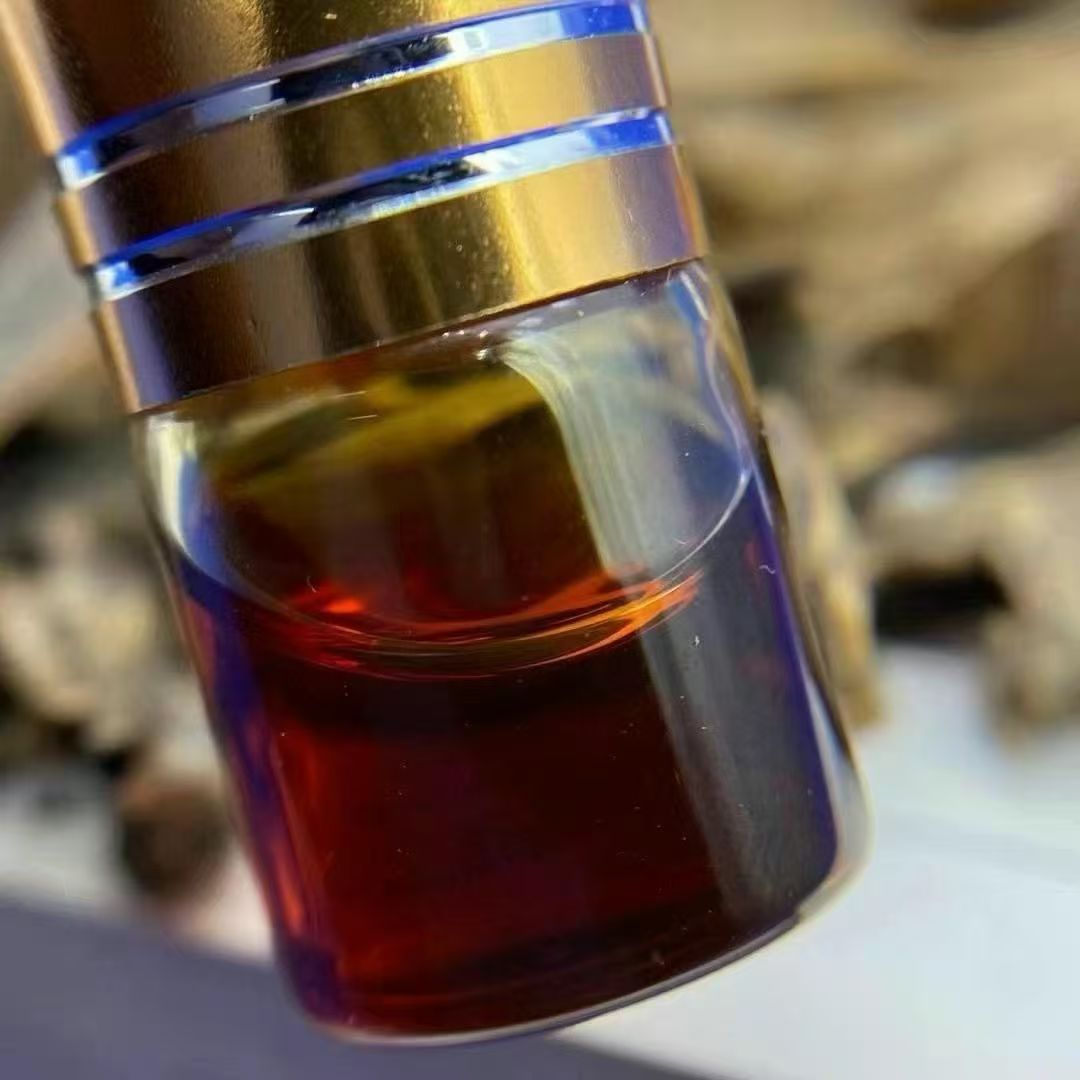
An oud oil supply contract is decided by what it defines, not by the price on its first page. Most bulk disputes trace back to a batch that never matched the approved sample, a document that was never issued, or a claim window nobody wrote down. These clauses turn a quotation into an order both sides can measure.
Start With the Counterparty
Name the legal entity that signs, invoices and holds any export permit, and state whether it processes the oil or resells it. A manufacturer, a wholesaler and a trader can all supply well, but the contract should say which one you are buying from, because that party answers for a failed lot. Record the processing site and who holds the batch record; our guide to verifying manufacturer versus trader shows what to check.
Define the Material, Not the Marketing Name
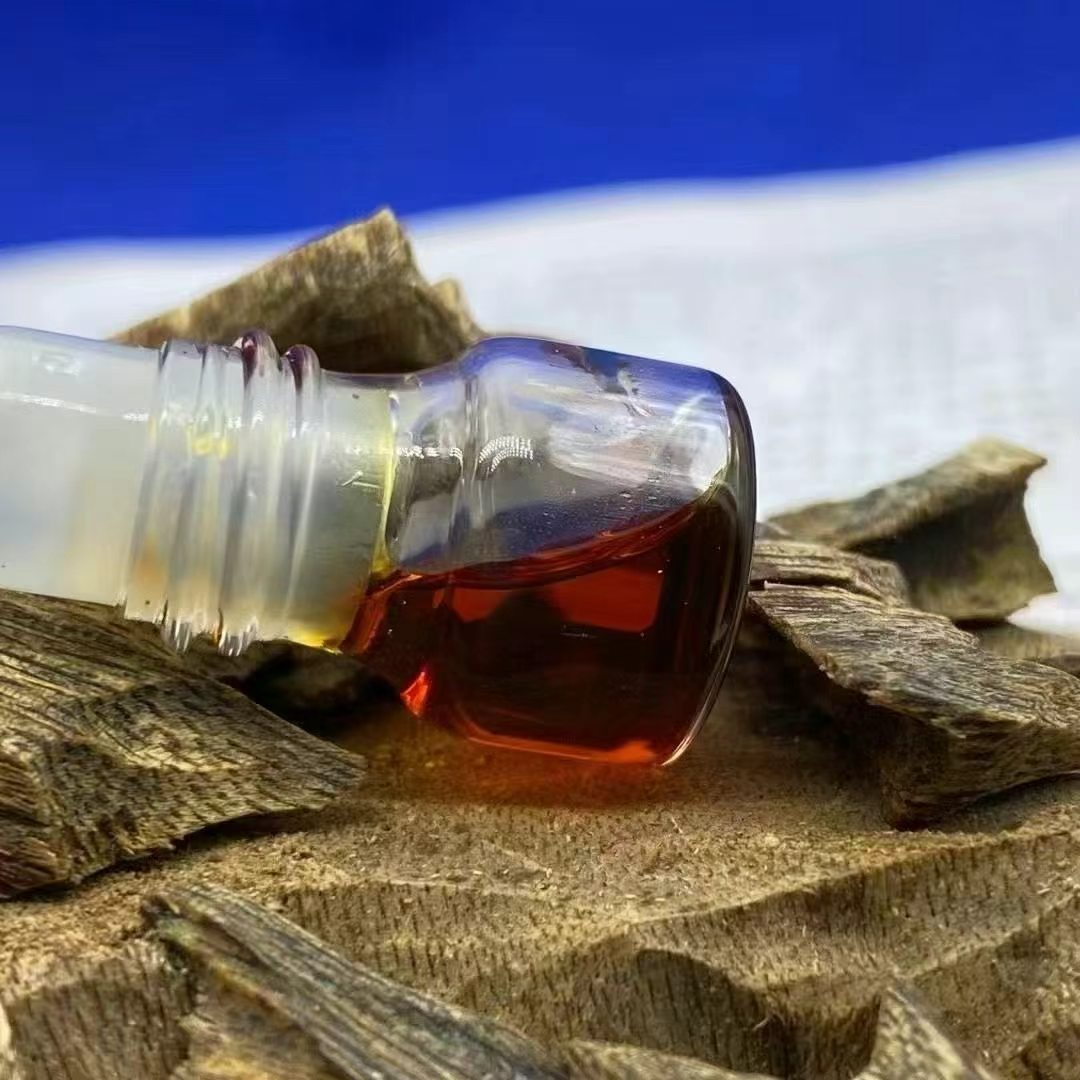
“Oud oil” and “agarwood oil” are trade names, not specifications. The schedule should name the declared species, country of harvest, extraction route, whether a carrier or diluent is present, and the lot the order is drawn from. The same adjectives can describe a distilled oil and a supercritical extract, so write the form and route before you discuss price. See oud oil vs agarwood oil for how the names behave in trade documents.
Write Quality as Tolerance, Not Adjective
A scent description cannot prove purity or identity, and it cannot settle a dispute. Approve a sealed reference sample drawn from an offered lot, then set tolerances for appearance, colour, clarity and odour against that sample, plus any density or refractive index your technical team specifies. State that both parties retain a sealed sample and that each delivery is compared with it under the same conditions.
Tie Every Document to a Lot
Make the document set a contract condition rather than a promise: specification sheet, certificate of analysis where offered, chromatographic report where offered, safety data sheet, origin declaration and any permit. Each must carry the same batch number as the invoice and the retained sample. A certificate that names no lot says nothing about your shipment, which is why the purity and batch verification guide treats lot linkage as the test.
Specify Packaging, Storage and Shelf Life
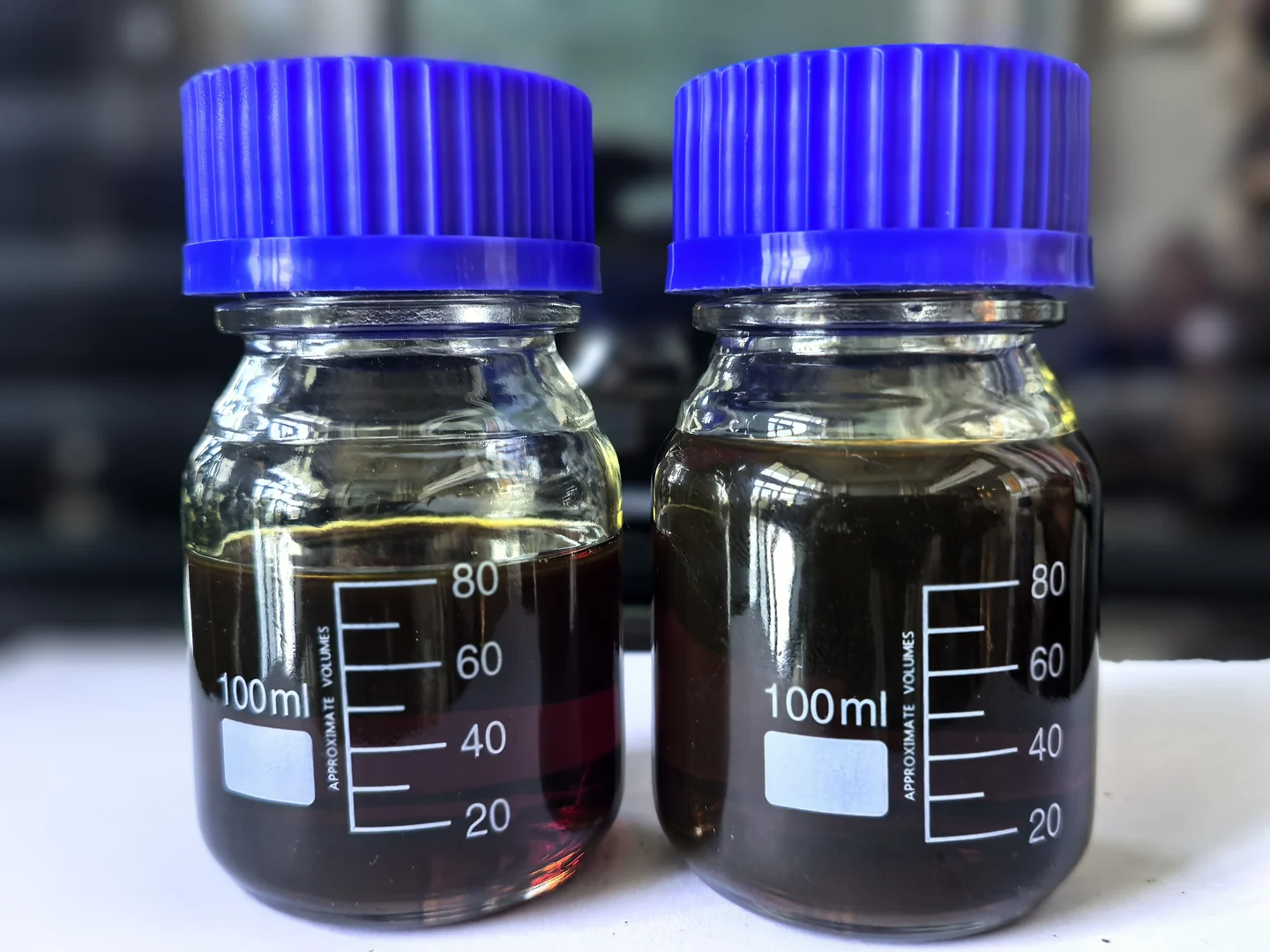
Oud oil shifts with light, heat and oxygen. Fix container material and liner, fill volume and headspace, closure and seal, and the storage temperature before shipment. Ask for the shelf-life statement and the basis for it, and require the same pack format for trial and bulk delivery so the comparison between them stays valid.
Price, MOQ and What the Number Contains
Resin grade, wood-to-oil yield, extraction route, testing, packaging, documentation and freight all move the quotation. Write price per kilogram at the stated specification, Incoterm, currency, payment terms, and MOQ per grade and per pack. For custom packaging or private label, add tooling, artwork approval and minimum run quantities as separate lines. Convert every offer to landed cost before comparing three or more suppliers, as this quotation comparison guide sets out.
Delivery, Inspection and Claims
Break lead time into material allocation, production, testing, permits and freight, and date each stage. Agree who inspects, where, which samples are drawn and sealed, and the notification window after arrival. Define the evidence a claim requires and the remedy ladder — replacement, credit or return — before the deposit is paid.
Compliance for the Destination
Requirements follow the destination and the end use, so name the documents your market expects instead of accepting a generic certificate. A current, product-specific safety data sheet is the baseline; fragrance use may bring IFRA-related limits, and the IFRA Standards set those limits for fragrance materials. Cosmetic labelling is a separate obligation. Aquilaria and Gyrinops are CITES Appendix II with annotation #14, but not every oil shipment needs the same permit: the requirement depends on species, form, quantity and route. The CITES CoP20 working document records that listing, and your importing authority confirms what applies to your transaction.
Oud Oil Supplier Evaluation Checklist
Use this table as the schedule behind the contract and as the agenda for the supplier call.
| Area | What the contract states | Evidence to hold |
|---|---|---|
| Raw material source | Declared species, origin, wood grade, extraction route | Specification sheet naming species and origin |
| Sample performance | Lot-linked approved sample and evaluation conditions | Signed sample approval with lot number and date |
| Batch records | Batch number, production date, retained sample | Batch file retrievable months later |
| Quotation terms | Price basis, Incoterm, currency, payment, MOQ | Landed cost per kilogram at your door |
| Packaging | Container, liner, fill volume, seal, pack format | Pack specification and packed-unit photo |
| Lead time | Allocation, production, testing, permits, freight | Dated schedule attached to the order |
| Verifiable documents | CoA, SDS, origin declaration, permits where applicable | Issued documents matching the invoice |
Common Contract Mistakes
- Approving a sample that was never linked to the offered lot.
- Accepting a certificate that names no batch number.
- Comparing prices across different Incoterms, currencies and pack sizes.
- Leaving storage temperature and shelf life to the supplier’s discretion.
- Agreeing the claim window only after the first dispute.
Frequently Asked Questions
Is an oud oil supply contract different from a purchase order?
Yes, in scope. The contract fixes the recurring rules — material definition, tolerances, documents, claims — while each purchase order applies them to a quantity, a lot and a delivery date. Repeating the full specification in every order avoids later argument about which version governs.
Can a supplier guarantee identical oil in every batch?
A natural material varies, so the realistic commitment is a tolerance band measured against the approved reference sample. Write that band, the comparison method and the notification duty when raw material, route or packaging changes.
Do I need CITES documents for oud oil?
Possibly. The species are listed, but the permit requirement depends on species, form, origin and destination. Ask the supplier which permit covers your shipment and in whose name it is issued, then confirm the position with your importing authority.
Should the contract name a test method?
If a parameter matters to your formula or your market, name the method, the laboratory arrangement and the acceptance limit. Otherwise you have bought a result you cannot reproduce or challenge.
What MOQ should the contract state?
State the minimum per grade, per pack and for a first trial order separately, and say whether sample and tooling costs are credited. One number rarely covers all three.
Conclusion
A workable oud oil supply contract fixes identity, tolerance, documents, packaging, delivery and remedy in writing, and leaves the adjectives to the marketing page. Prepare one brief with your intended use, target market, estimated volume, packaging requirement and sample expectation, then ask each candidate to confirm what it can actually support.
NanjaOud cultivates and processes agarwood in Jiangmen, Guangdong, with a managed plantation base of more than 160 acres, and supplies supercritical agarwood oil for fragrance and incense applications alongside its wider agarwood oil range. Send your draft terms through the contact page and ask which products, sample arrangements and documents we can confirm for your order.


