
Oud oil is one of the few fragrance materials where the sample you approve and the drum you receive can smell noticeably different, and where the quotation rarely explains why. This checklist is for importers, perfume and attar houses, fragrance traders, incense manufacturers and private-label brands comparing oud oil suppliers on evidence rather than adjectives.
"How do I choose an oud oil manufacturer" is too broad to answer usefully. The sharper question is: can this supplier deliver the same oil, to the same specification, on the same lead time, more than once?
Oud Oil and Agarwood Oil: Names Are Not Specifications
"Oud" is the Arabic trade name; "agarwood" is the English botanical term for resin-bearing heartwood from Aquilaria and Gyrinops species. The oil also circulates as dehn al oud, aloeswood, gaharu and eaglewood oil. None of these names states species, wood grade, extraction route or batch. A quotation can say "agarwood essential oil" for steam-distilled material, and the same phrase is used for solvent or CO₂ extracts, which are technically extracts. Ask for the route in writing, then read oud oil vs agarwood oil for how naming affects documents.
Source Material and Extraction Route Set the Quote
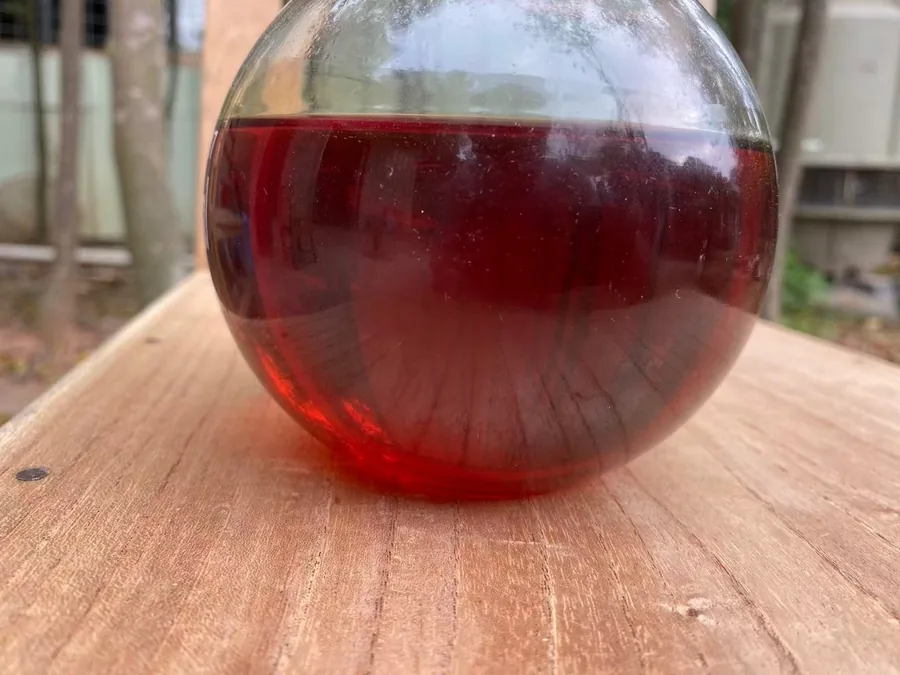
Two variables drive most of the price before margin is discussed: how much resin-bearing wood went in, and how the oil was recovered. Plantation wood of a known species and age is traceable; mixed or wild-collected material usually is not. Steam distillation, hydro-distillation, solvent extraction and supercritical CO₂ give different yields, aromatic profiles and paperwork. Ask for species, wood origin, plantation or harvest age, extraction method and yield basis per kilogram of wood.
Why a Scent Description Cannot Prove Purity
"Smoky", "sweet", "medicinal" and "long-lasting" are a marketing vocabulary, not a test. Two oils can share a description and differ in composition, and dilution with carrier oil or blending with synthetic oud accords can produce a convincing opening. Sensory evaluation is still necessary — it tells you whether the material suits your formula — but it cannot stand alone as a purity claim. Pair it with batch-linked documents and, where your market requires it, third-party analysis.
Manufacturer, Wholesaler or Trader
All three can be legitimate; they carry different risk. A processor controls distillation and can explain batch variation. A wholesaler holds stock and ships quickly but may not know lot history. A trader sources from several factories and may not guarantee repeatability. Ask which legal entity appears on the invoice, which holds any export permit, and whether the distillation site is owned, contracted or subcontracted. Diverging answers mean you are buying through an intermediary — acceptable, provided you know before the deposit.
Verifying Processing Capability and Supply Capacity
Capacity is proved by documents and by a second order, not by a factory video. Request the business licence and registered address, the processing site, monthly output in kilograms, stock by grade, and the number of lots produced in the past twelve months. Then test the claim: ask for the lot number of a shipment delivered six months ago and see whether the record still exists.
Samples, Batch Records and Test Documents
Request a sample explicitly linked to a lot: sample reference, lot number, production date, quantity, packaging and price per kilogram at your volume. Ask which documents the supplier can actually issue, and treat "we can arrange it" as unconfirmed until you see one: certificate of analysis, GC-MS or GC-FID report, heavy-metal or microbial testing, allergen and IFRA-related statements, safety data sheet, species or origin declaration. NanjaOud publishes quality-control and material-sourcing pages and supplies bulk agarwood oil for fragrance and incense manufacturing; confirm current availability and the documents issued per lot directly, since these vary by product and destination.
Designing a Sample Evaluation You Can Defend
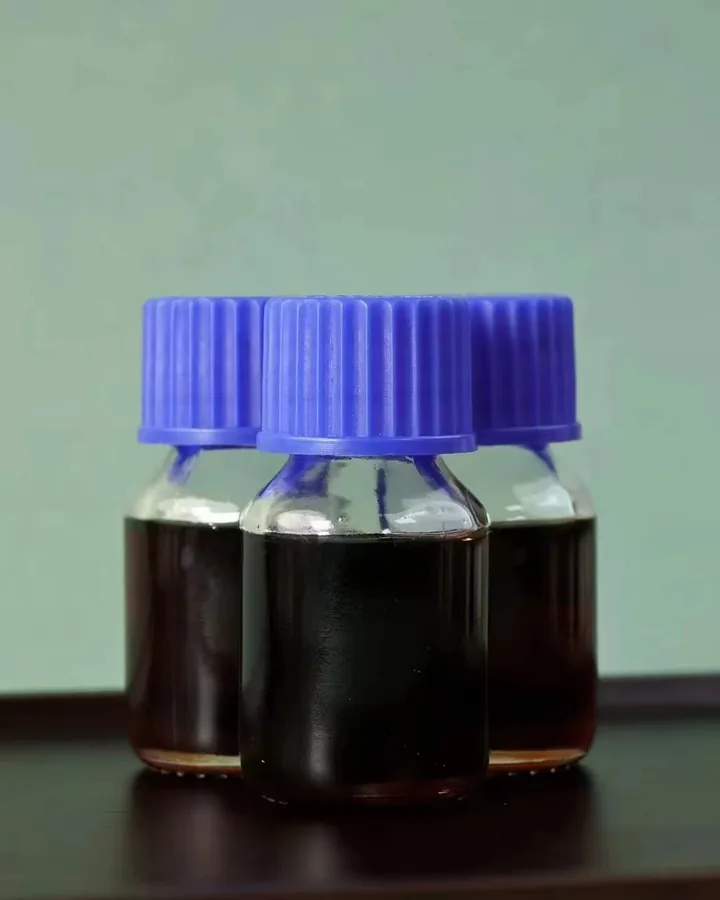
Blind-code the samples, evaluate them on the same day, at the same dilution and on the same substrate, and record opening, heart and dry-down separately. Note colour and viscosity, then re-test after two weeks in the stated storage condition. Score each sample against your brief, not against each other. A written record — such as this agarwood oil sample evaluation log — turns a preference into an approval both sides can honour.
Batch Consistency, Storage and Packaging
Consistency is a process claim: same wood source, same extraction parameters, same blending rule if lots are combined. Ask how the supplier normalises between lots and whether they will retain a sample of your approved lot. Oud oil is sensitive to light, heat and oxygen, so specify container type, headspace, fill volume and storage temperature. Packaging is also a cost line: retail-ready bottles, droppers, tamper evidence and private-label cartons each add tooling and minimum quantities.
What Drives the Quoted Price
Grade and resin content, extraction yield, batch size, packaging, testing, documentation and freight all move the number. A per-kilogram figure without Incoterm, packaging, volume basis and payment terms is not comparable. Convert every offer to landed cost per kilogram at your door, including duties, permits and inspection.
Comparing Three or More Quotations
Send one identical brief to at least three suppliers and require the same fields back: species, origin, extraction method, lot reference, minimum order, packaging, lead time, Incoterm, payment terms, documents included and offer validity. Compare columns, not totals. A low quote that excludes testing or permits is usually the more expensive option once those are added.
SDS, Ingredient Documentation and Destination Rules
Requirements follow the destination and the use, not the product name. Cosmetic use in the EU, for example, requires a designated responsible person and an ingredient list on the label under Regulation (EC) No 1223/2009, while other markets set their own rules for incense, aromatherapy and fragrance. Ask for the safety data sheet in the required format, the ingredient declaration and the country of origin, then confirm the labelling obligation with your own regulatory adviser. A generic certificate is not proof that your market is covered.
CITES and Controlled Agarwood Species
Aquilaria and Gyrinops are listed in CITES Appendix II with annotation #14, so cross-border trade in the wood and its derivatives is controlled (CITES CoP20 working document). That does not mean every oil shipment needs an identical set of papers: the requirement depends on species, form, quantity, purpose and the rules of both countries. Ask which species and form the permit covers, who the permit holder is, and whether the permit description matches the invoice. Verify the current rule with the CITES authority in your own country before you commit.
MOQ, Custom Packaging and OEM/ODM
Minimum order quantity is usually set by batch size and packaging run, not by sales policy. Ask what the minimum is per grade, whether a smaller trial quantity is possible, and what changes at the next volume break. For OEM or private label, confirm in writing who supplies the formula, who owns it, what the artwork approval route is, and which party is responsible for label compliance. NanjaOud describes OEM, private-label and packaging options for its agarwood fragrance range; treat the scope as something to confirm in your brief.
Lead Time, Inspection and Claims
Break lead time into material allocation, production, testing, permits and freight, and ask for each in days. Agree pre-shipment inspection, the retained sample, the tolerance for colour and odour variation, and the claim window in writing. Claims not tied to a lot number and a retained sample rarely succeed.
Oud Oil Supplier Evaluation Checklist
| Area | What to ask | Evidence to accept |
|---|---|---|
| Material source | Species, origin, plantation age, wood grade | Written declaration naming species and origin |
| Sample performance | Lot-linked sample, dilution, substrate, re-test date | Signed sample approval with lot reference |
| Batch records | Lot number, production date, retained sample | Batch file you can request again later |
| Quotation terms | Incoterm, volume basis, packaging, payment terms | Landed cost per kilogram at your door |
| Packaging | Container, headspace, fill volume, artwork | Packaging spec sheet and artwork proof |
| Lead time | Allocation, production, testing, permits, freight | Dated schedule with each stage in days |
| Verifiable documents | CoA, analysis reports, SDS, origin, permits | Issued documents matching the invoice |
Next Step
Write a one-page brief before contacting anyone: intended use, target market, estimated annual volume, packaging requirement and sample expectation. Send it to two or three suppliers, including NanjaOud's supercritical agarwood oil listing, and ask each to confirm the products and services they can actually support. Then compare the answers, not the adjectives. For related reading, see how to evaluate agarwood oil manufacturers and steam-distilled versus supercritical agarwood oil.
If this material fits your application, contact NanjaOud with the intended formula use, target market, sample quantity, packaging request and destination. Ask for written confirmation of the proposed lot and available documents before comparing a commercial quote.


