
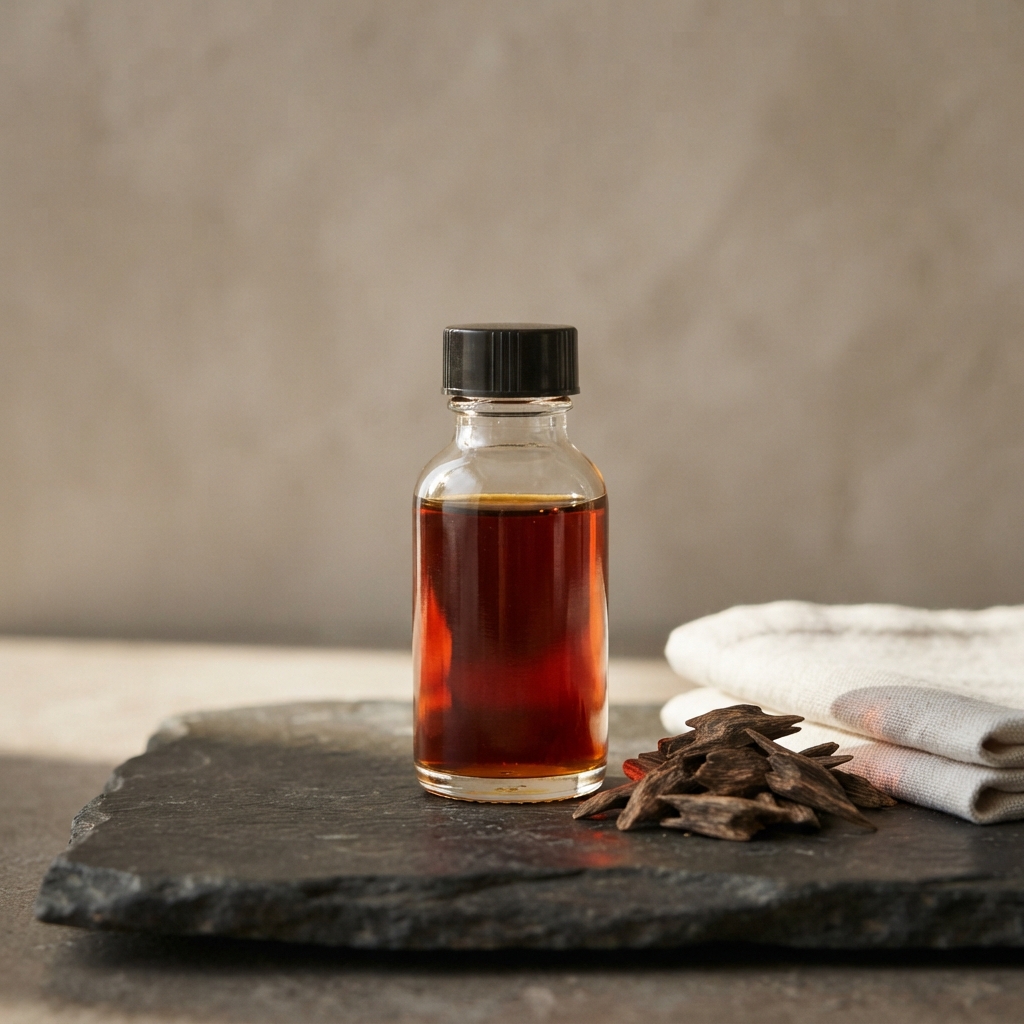
How long does oud oil last? There is no single answer that applies to every drum, because a bulk lot's usable life is set by its extraction route, container, headspace, storage temperature and how often the pack is opened. Buyers who accept either "oud never expires" or an unexplained two-year date are guessing. The workable approach is to specify storage conditions, a retest date and a retained sample in the purchase order, then verify them on arrival.
This guide is written for importers, perfume and attar houses, fragrance traders, incense manufacturers and private-label brands that hold oud oil in stock between production runs. It covers what actually changes in a stored lot, the conditions to write into a specification, how to test an arrival, and the questions to put to an oud oil manufacturer before you commit.
Why One Expiry Date Cannot Cover Every Oud Oil
"Oud oil" covers several different materials. Steam-distilled or hydro-distilled oil, solvent extract, supercritical CO2 extract and blended or diluted oils do not age at the same rate, and they do not fail in the same way. A pure distilled oil dominated by resinous, low-volatility components behaves differently from a blend carrying a carrier oil, where fatty acids can turn rancid on a much shorter timeline. An alcohol-based attar adds a third set of variables.
That is why a shelf-life figure is only meaningful when it is attached to four things: the exact product, its packaging, the storage conditions and the basis on which the figure was set. Without those, a number on a certificate is a marketing statement, not a specification.
Maturation is a separate question. Some buyers deliberately age oil because they value the change in scent. That is a commercial preference, not evidence of stability, and it should never be used to override a supplier's own handling guidance.
What Actually Changes in a Stored Bulk Lot
Degradation is mostly a story of oxygen, heat and light acting on a large surface area. In bulk, the surface area is not the drum — it is the headspace above the oil, which is why fill level matters as much as temperature.
| Factor | What changes | What to write into the specification |
|---|---|---|
| Extraction route | Volatile-to-resin balance, residue behaviour and aromatic profile differ between distillation and CO2 extraction | Route stated in writing, tied to the lot number |
| Container material | Glass is inert; some plastics absorb or transmit odour; unlined metal can react | Container type, internal lining and closure type |
| Headspace | Oxygen in the gap above the oil drives oxidation with every opening | Fill volume as a percentage, and whether the pack is single-draw or multi-draw |
| Temperature | Heat accelerates chemical change and pressure build-up in sealed packs | A storage range and a transit range, both in writing |
| Light | Ultraviolet exposure alters colour and top notes | Opaque or amber primary pack, plus a closed secondary carton |
| Opening frequency | Each draw admits fresh air and moisture | Split packs for sampling instead of repeatedly opening the master drum |
| Dilution | Carrier oils oxidise and turn rancid faster than the oud fraction | Full composition declaration, not just the word "pure" |
Storage Conditions to Put in Writing
General good practice for aromatic oils is consistent across the industry: keep the pack cool, dark, dry and stable, with the closure tight, away from strong odours and away from freeze-thaw cycles. ISO 210:2023, Essential oils — General requirements and guidelines for packaging, conditioning and storage, sets out container and storage guidance that both sides can reference (ISO, 2023). It is a useful neutral reference when a supplier's recommendation and your warehouse reality do not match.
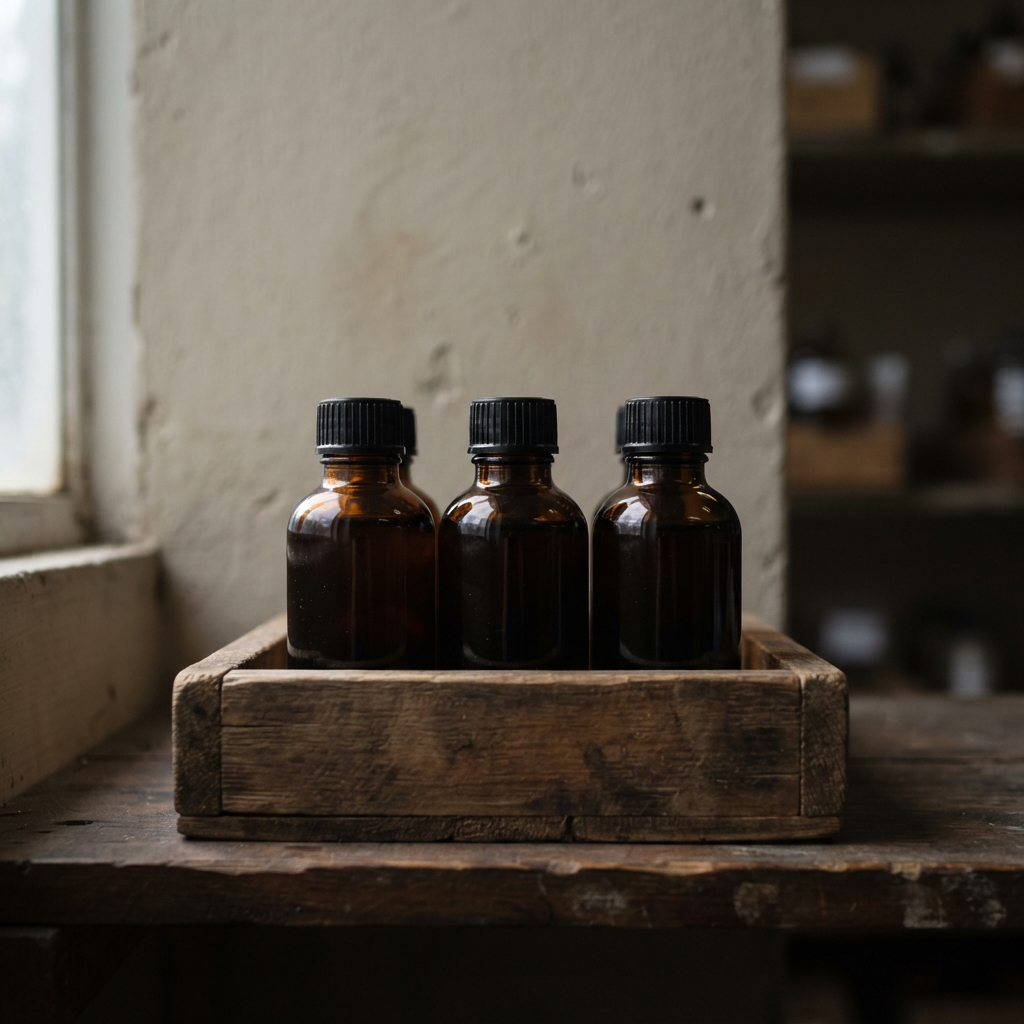
Three practical points are worth agreeing explicitly, because they are where disputes start:
- Who owns the risk after delivery. If the oil is stored in a warm warehouse for four months before use, that period belongs to your specification, not the supplier's.
- What "ambient" means. A supplier's ambient is not your ambient. Ask for a numeric range rather than an adjective.
- Segregation. Oud oil should not be stored beside solvents, spices or cleaning chemicals, because aroma transfer is real and irreversible.
Container, Headspace and Fill Volume
For bulk supply, the pack specification usually decides how much of the lot survives to the last draw. Ask what the supplier can actually offer rather than assuming: small glass packs for sampling and retail decants, lined steel or HDPE for bulk, and closures that seal without wicking. The packaging specification should state container material, nominal fill, headspace percentage, closure, tamper evidence and the label content — lot number, fill date, net weight and storage instruction.
If a supplier offers an inert-gas flush or a nitrogen blanket on bulk packs, treat it as a documented feature to confirm on the pack, not a verbal bonus. And if you decant into your own bottles, that decanting is a new pack with a new exposure history: label it with the source lot and the decant date.
Transit, Customs and Hot-Climate Warehousing
A sealed drum can still spend weeks in a container on a quay, in a bonded warehouse or in a customs inspection area. Heat exposure in transit is often longer than any storage period at either end. Ask how the shipment will be stowed and routed, whether a temperature record is available for the consignment, and whether the shipping line offers shaded or controlled stowage for your volume. If the destination port is hot, plan inspection and onward movement quickly instead of leaving the consignment parked.
Customs delays also affect documents. Aquilaria and Gyrinops species are listed in CITES Appendix II, so cross-border trade in wood and derivatives is controlled, but the requirement is not identical for every oil shipment: it depends on species, form, quantity, purpose and the rules of both countries (CITES CoP20 working document). Confirm the current rule with the authority in your own country, and check that any permit description matches the invoice and the pack labels — a mismatch found during a delay is expensive.
Arrival Acceptance and a Retest Protocol
Open the consignment on a recorded date, in a clean area away from other aromatic materials, and work through the same checks every time:
- Seal and label. Confirm the tamper seal is intact and the label lot number matches the invoice, packing list and any certificate.
- Net weight and pack condition. Weigh a sample of packs, and check for leakage, staining or deformation that suggests heat exposure.
- Appearance. Record colour and clarity against the approved reference; a documented range is more useful than "dark".
- Odour. Compare blind against your retained reference sample, at the same dilution on the same substrate, and record opening, heart and dry-down separately.
- Retained sample. Draw and seal a sample from the delivered lot, label it with lot number, date and pack, and store it under the same conditions you require of the supplier.
- Recheck. Re-test the retained sample at an agreed interval, for example 30 and 90 days, and record any drift in colour, viscosity or scent.
This routine turns "it smelled different" into a dated, lot-linked observation you can put in front of a supplier. It also gives you a defensible baseline if the second draw from the same drum behaves differently from the first.
Retained Samples, Batch Records and the Claim Window
Ask the supplier whether they retain a sample of the lot they shipped you, and for how long. A supplier that keeps a sealed reference of your lot can answer a question about a delivery six months later; one that does not, cannot. Match that against your own retention period and write both into the order.
Then agree the claim mechanics before the first delivery: what counts as a defect, what evidence is required (lot number, seal photographs, retained sample, weight record), how long the window stays open after arrival, and what remedy applies. Claims that are not tied to a lot number and a retained sample are usually argued rather than settled. The same clause logic belongs in the supply contract, and our guide to oud oil supply contract clauses sets out the wording that buyers commonly overlook.
What a Shelf-Life Statement Should Actually Say
A usable shelf-life statement names the product and extraction route, the packaging it applies to, the storage conditions assumed, whether the figure is an expiry date or a retest date, and the basis on which it was set. It should also say what changes once the pack is opened, because that is when the clock usually starts.
If a supplier offers a figure without those elements, ask for them in writing and treat the answer as unconfirmed until you have it. A retest date is often more honest than an expiry date for a material whose scent is expected to evolve: it commits the holder to re-checking the lot rather than declaring it dead on a fixed day.
How Storage and Packaging Change the Quotation
Two quotes for the same oil at the same price per kilogram can differ substantially once the pack is specified. Glass instead of lined steel, inert-gas flushing, smaller fill sizes, individual tamper seals, consignment temperature records and per-lot testing all carry cost. Freight does too: heavier packaging raises chargeable weight, and controlled stowage raises the rate.
Convert every offer to landed cost per kilogram at your door, with the pack and documentation fixed, before comparing. Our breakdown of bulk oud oil price and quotation comparison shows how to normalise the columns so that packaging and documentation are not hidden in the total.
Documents to Hold With Stored Stock
Keep the safety data sheet in the format your market expects, the composition or allergen declarations that apply to your use, any per-lot certificate of analysis the supplier actually issues, the origin declaration and, where the species and destination require it, CITES documentation. Requirements follow destination and end use, not the product name — incense manufacture, fine fragrance and cosmetic use are regulated differently, and cosmetic labelling obligations in a given market are set by that market's rules.
Where documents are absent, treat the gap as a question rather than a disqualification: ask which documents the supplier issues per lot, and confirm the ones your market needs with your own regulatory adviser. Purity claims deserve the same scrutiny, which is why verifying purity, dilution and batch claims belongs in the same file as your storage records.
Seven Mistakes Buyers Make With Stored Oud Oil
- Approving a lot on aroma alone, with no retained reference sample and no written record.
- Accepting "pure oud oil" without a composition declaration or a lot number.
- Storing drums in a warm retail area, near a window or beside other aromatic materials.
- Re-opening the master drum for every sample request instead of splitting packs.
- Decanting into unlabelled bottles, losing the link between oil and lot.
- Comparing price per kilogram without fixing packaging, documentation and delivery terms.
- Waiting months before inspecting, then discovering a transit heat problem outside any claim window.
Oud Oil Supplier Evaluation Checklist
Use the same seven rows for every supplier you shortlist, and score the evidence rather than the answer you were given.
| Area | What to ask | Evidence to accept |
|---|---|---|
| Material source | Species, origin, plantation or harvest age, wood grade, extraction route | Written declaration naming species, origin and route |
| Sample performance | Lot-linked sample, dilution and substrate used, re-test date | Signed sample approval carrying the lot reference |
| Batch documents | Lot number, production date, retained sample, shelf-life or retest basis | Batch file you can request again six months later |
| Quotation terms | Incoterm, volume basis, packaging, payment terms, offer validity | Landed cost per kilogram at your door |
| Packaging | Container, lining, headspace, fill volume, closure, label content | Packaging specification sheet and a label proof |
| Lead time | Allocation, production, testing, permits, freight | Dated schedule with each stage in days |
| Verifiable documents | Safety data sheet, analysis reports, origin, CITES where applicable | Issued documents that match the invoice and pack labels |
Matching Products From NanjaOud
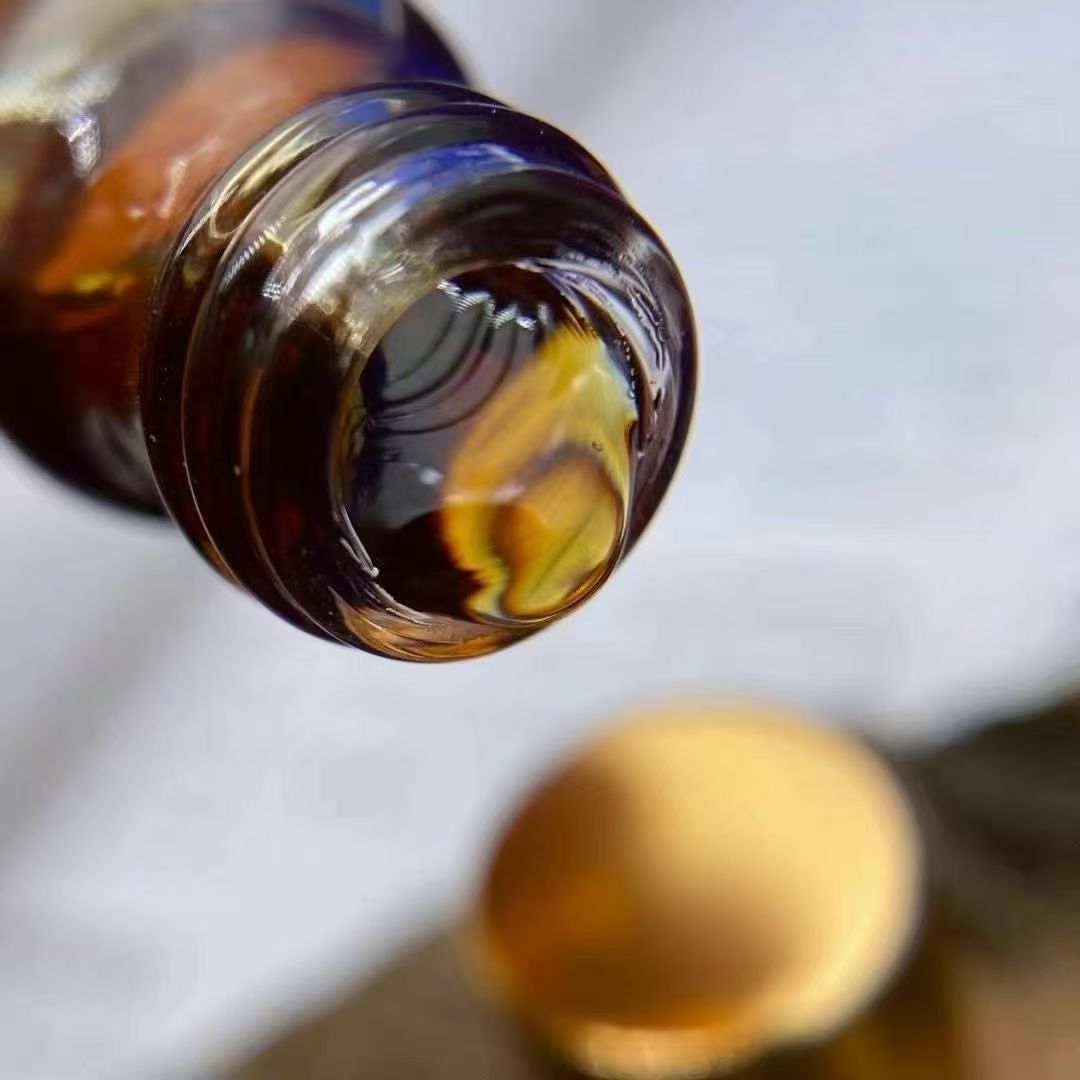
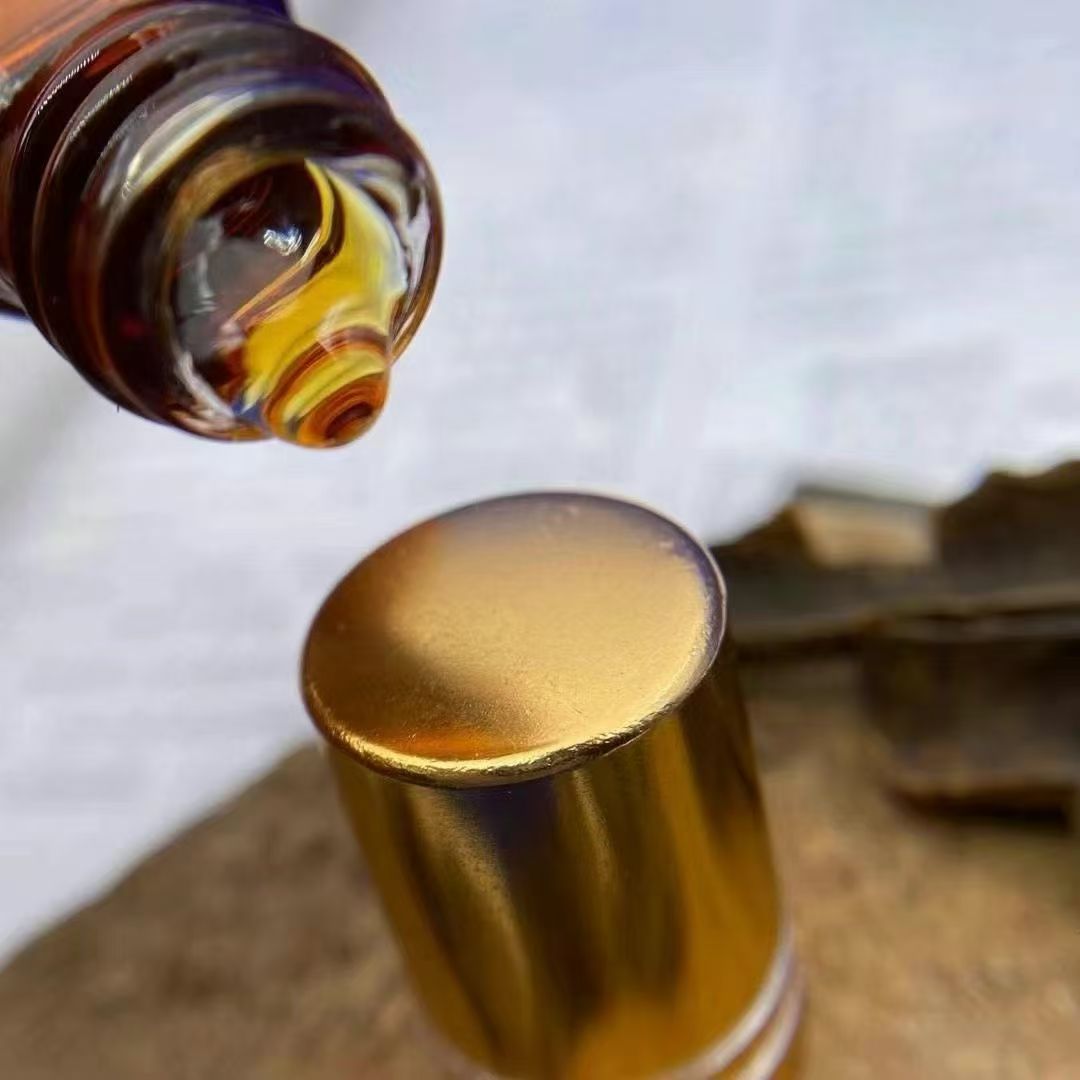
NanjaOud lists supercritical agarwood oil for fragrance and incense manufacturing. Its public product listing shows a bottle of amber-coloured oil and names fragrance and incense applications. The listing does not establish a universal shelf life, storage temperature, pack size or document set. Request the batch-specific details in writing before quoting a storage period on your own product.
The product page does not publish storage ranges, pack options, shelf-life data or per-lot documents, so ask for them directly against your brief rather than assuming they exist. That is the same request you should make of any supplier, and it is the one that decides whether a stored lot stays saleable.
FAQ
How long does oud oil last in bulk storage?
No single period applies to every oil. Usable life depends on the extraction route, whether the oil is diluted, the container and headspace, the storage temperature and how often the pack is opened. Ask the supplier for a stated basis and agree a retest date instead of relying on a generic figure.
Does oud oil expire faster after the drum is opened?
Usually yes, because each opening exchanges air and admits moisture. Splitting a bulk pack into smaller sealed units for sampling reduces the number of times the master container is exposed.
Is a darker colour a sign the oil has degraded?
Not on its own. Colour varies with species, wood and extraction route, and some oils darken with age. What matters is a change against your own retained reference under your own storage conditions, recorded with a date.
Can a supplier guarantee a shelf life without stating storage conditions?
No. A shelf-life or retest figure is only meaningful with the packaging and storage conditions it assumes. Ask for those in writing, and check whether the figure refers to an expiry date or a retest date.
Should I store oud oil in a refrigerator?
Refrigeration is not automatically better. Repeated cooling and warming cycles and condensation risk can be worse than a stable, dark, cool room. Follow the supplier's written recommendation and keep the temperature stable.
Do I need CITES documents for every oud oil shipment?
Not necessarily. Aquilaria and Gyrinops are CITES Appendix II listed, but the requirement depends on species, form, quantity, purpose and the rules of both trading countries. Confirm with your national CITES authority before shipping.
What is the most useful thing to keep from each delivery?
A sealed retained sample with the lot number, arrival date and pack reference, stored under the conditions you require. It is the only evidence that lets you compare a later draw, or a later shipment, against what you actually accepted.
Conclusion
How long oud oil lasts is a question about handling, not a fixed number. Specify the pack, the storage range, the retest interval and the retained sample before the order, inspect and record every arrival, and keep the batch file with the stock. Do that, and a stored lot stays a documented asset rather than an argument.
If you are planning a bulk oud oil purchase, prepare a short brief covering intended use, target market, estimated volume, packaging requirement and sample expectation, then contact NanjaOud to confirm the products, pack options and documents it can actually support for your destination.


