
Buyer answer: A supercritical agarwood oil supplier should be evaluated on the identity of the material offered, a clear description of the extraction route, a retained reference sample and batch-specific documents. “Supercritical” names a processing concept; it does not by itself establish purity, origin, yield, safety, quality or suitability for a finished perfume. Ask what the term means for the exact quoted lot and test that lot in your intended application before ordering in volume.
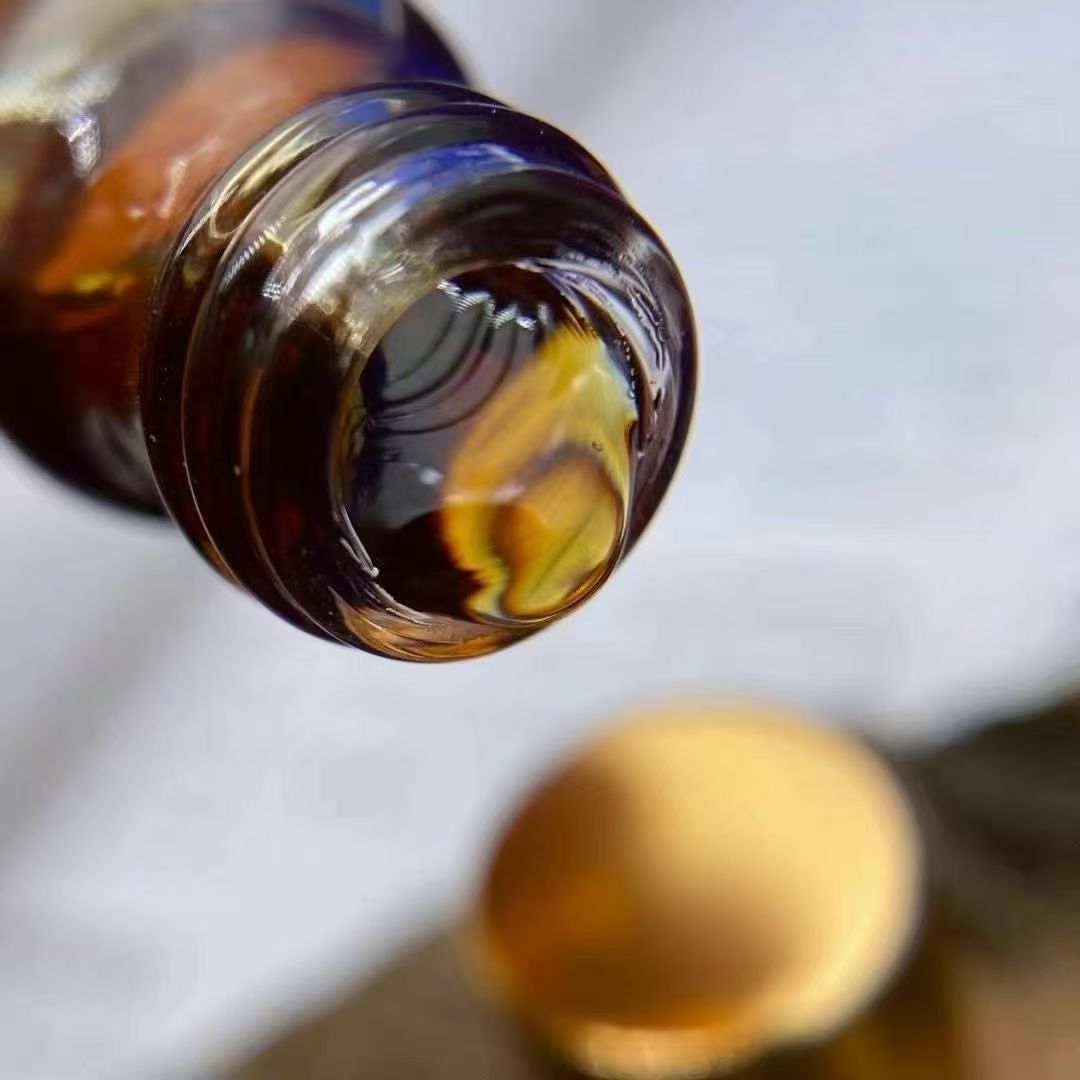
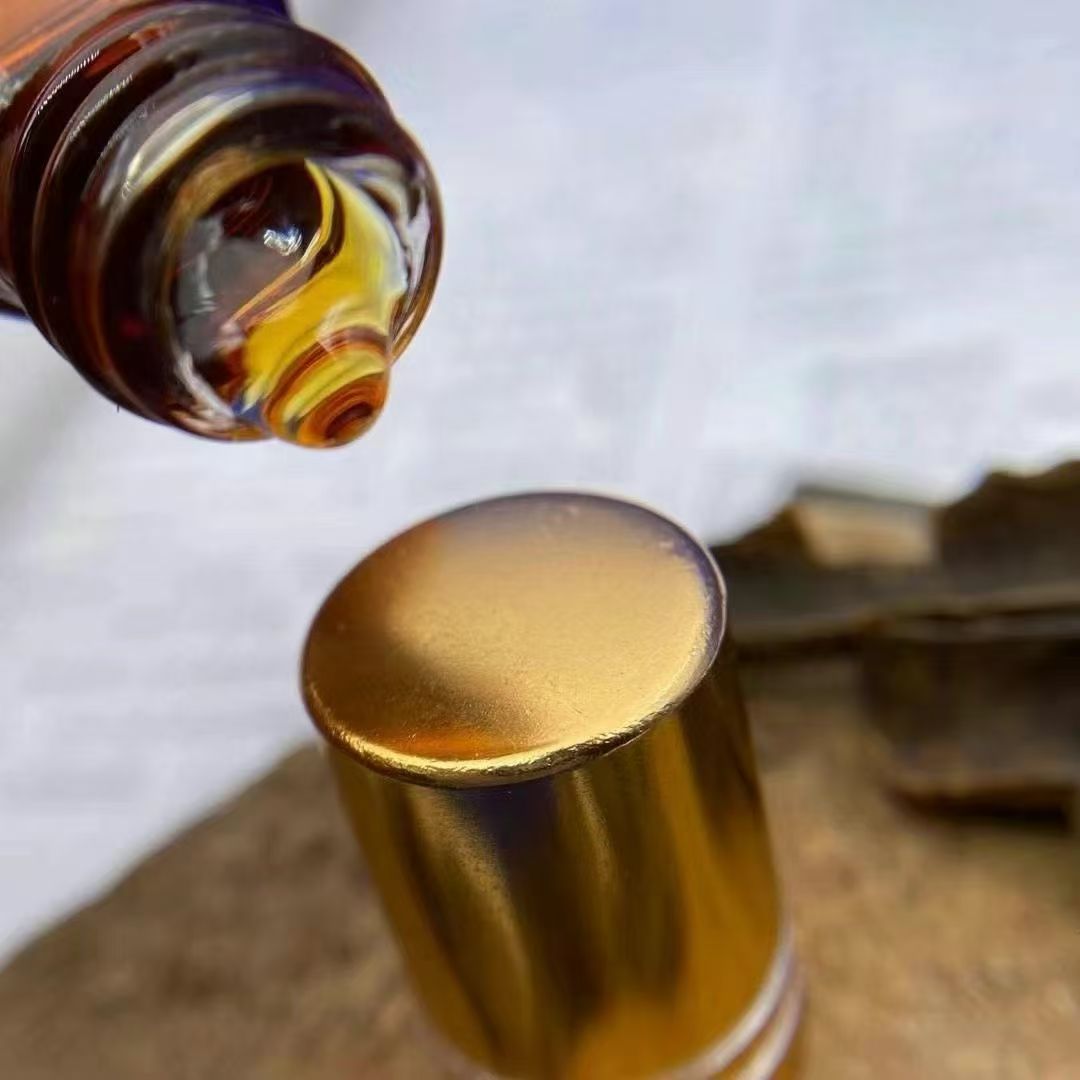
NanjaOud has a supercritical agarwood oil product listing. The page photographs show a small bottle with amber-colored liquid. The images cannot verify the contents, extraction parameters, composition, batch history or packaging available for a wholesale order. This guide gives perfumers, incense manufacturers and importers a way to turn that listing into a written qualification request.
Define the material before asking for a price
Start with the intended use: fragrance ingredient, incense formulation, evaluation sample or a finished retail oil. The same visual presentation may be used for different materials. Ask the supplier for a precise product description and the disclosable material details for the lot on offer. Include whether it is a single extract, a blend, a dilution or another format. Avoid assuming that every material called “oud oil” is interchangeable in a formula.
Next ask what the supplier means by “supercritical.” A process description should identify the feedstock and extraction medium, the broad route used, any post-processing and how lots are identified. The buyer may need further technical records for internal qualification. If a document is unavailable, record that gap and decide whether the material is still suitable for a preliminary trial. A vague processing adjective should never substitute for a batch record.
Ask for a sample that represents the quoted lot
Give the supplier a sample request with the target application, destination and expected order volume. Ask whether the sample is drawn from the same lot as the planned purchase or is a general reference. Record the sample code, date, container and any storage instructions. If it is a reference only, do not use it as proof that later commercial material will match without a lot-comparison step.
Evaluate the sample in the intended formula or process at a documented use level. For perfumery, the team may compare the material in an accord and on a blotter under the same conditions. An incense manufacturer may compare it in a controlled trial batch. Record aroma observations and formulation behavior separately. Appearance can be noted, but amber color alone does not establish composition or grade.
For a repeat purchase, keep an approved reference and agree on what counts as a meaningful difference. Natural aromatic materials can vary; the purchase order should specify which differences require notice, a fresh sample or buyer approval. This is more reliable than a general promise of “consistent quality.”
Build a batch-specific RFQ
| Field | Question to send | Buyer decision |
|---|---|---|
| Material identity | What exactly is supplied: extract, blend, dilution or finished oil? | Can it be used in the planned application? |
| Extraction claim | What does “supercritical” refer to for this SKU and lot? | Is the process description adequate for qualification? |
| Raw material | What source and botanical information can be supported? | Which claims can the buyer substantiate? |
| Batch traceability | How are the sample, quote and shipment linked? | Can the buyer compare like with like? |
| Available documents | Which batch, safety, analytical and trade documents can be supplied? | What must be reviewed before import or use? |
| Packaging | What container, seal, net weight and shipment protection are quoted? | Will the material arrive usable? |
| Terms | What are the quotation basis, quantity, timing and destination? | What is the landed cost and approval schedule? |
The table is a buyer checklist, not a claim that NanjaOud currently provides a particular test, certificate, lot size or delivery date. Ask for written confirmation for the exact transaction. When the material or destination changes, review the document list again.
Keep photos and analytical evidence in their proper roles
The second product image is another close view of the bottle and amber liquid. It helps identify the pictured presentation; it is not a chromatogram, purity test or batch certificate. A buyer who needs compositional or safety information should request the appropriate documents directly and have a qualified person review them. Do not infer that a darker or thicker-looking liquid is necessarily better.
Be equally careful with origin and trade language. An agarwood product may raise questions about botanical identification and international trade documentation. Ask which documents apply to the actual species, material, shipment route and destination. Those questions belong in the purchasing checklist; they are not answered by a marketing photograph or a generic “export-ready” statement.
Compare offers on a common basis
One supplier may quote an extract while another quotes a diluted perfume oil. Before comparing unit prices, normalize material identity, concentration if applicable, sample representativeness, container size, packaging and incoterm. Then assess the cost of additional analysis, import review and rejected material. A cheaper price per bottle can be more expensive if the material fails the intended trial or cannot be documented for the destination.
Record open questions beside each offer. If the supplier cannot yet confirm the extraction description or batch linkage, label the offer “pending technical review.” This lets procurement and formulation teams keep moving without confusing a preliminary quotation with an approved material.
FAQ for ingredient buyers
Does “supercritical” prove the oil is pure agarwood?
No. The word describes a processing concept. Ask for the exact material description and evidence for any purity or composition claim.
Can a product photograph prove extraction method?
No. A photograph shows appearance. Request a process description and lot-linked documents.
What is the first useful sample request?
State the target application, required volume for a trial, destination and the documentation needed for internal review. Ask whether the sample corresponds to the quoted commercial lot.
Make the inquiry specific
Use the supercritical agarwood oil listing to identify the item of interest, then contact NanjaOud with your application, sample plan, estimated quantity and destination. Request a written material description, explanation of the extraction claim and list of available lot-linked records. Those answers determine whether the oil deserves a formulation trial and a commercial quotation.


