
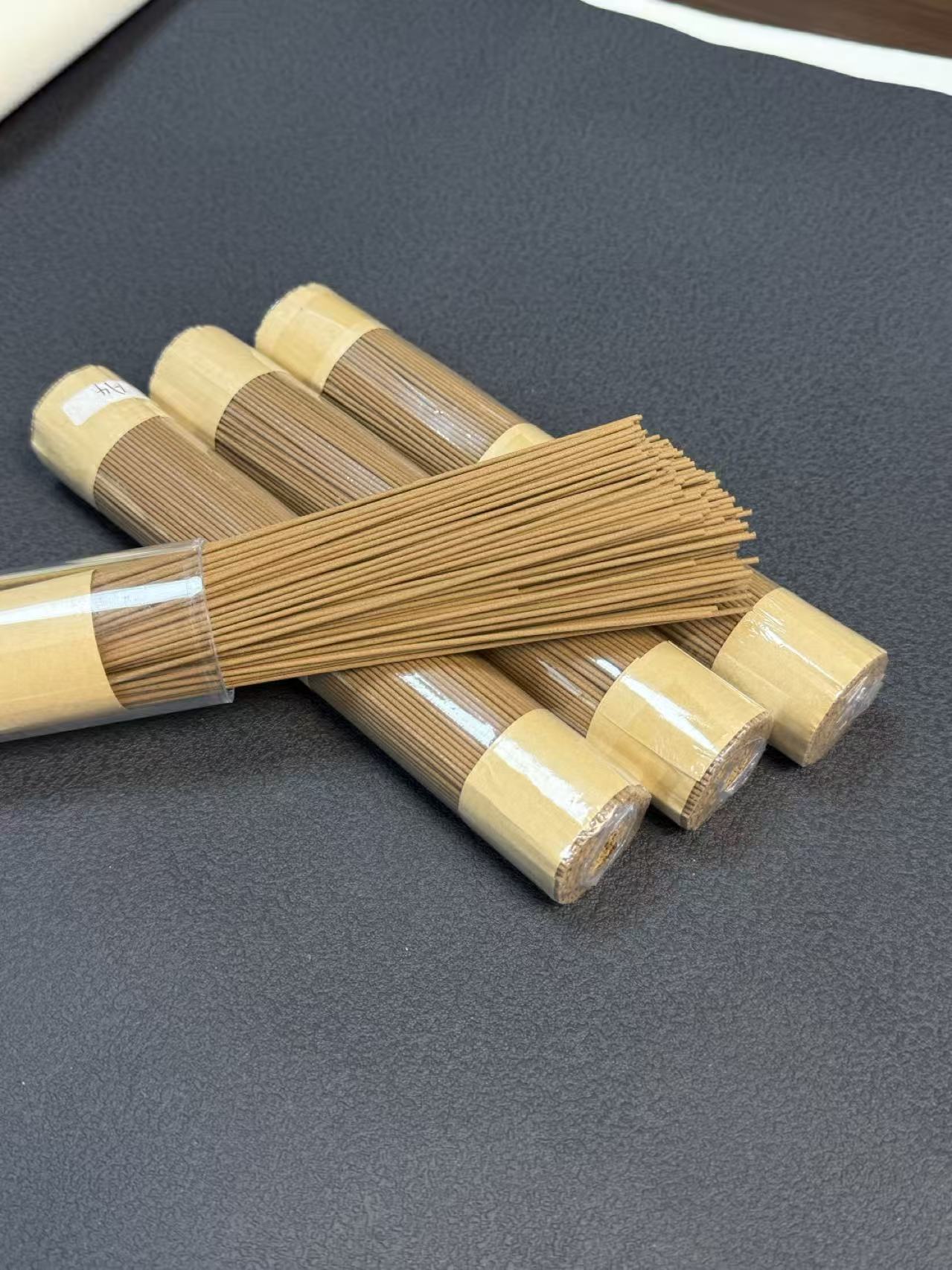
When a buyer puts “natural agarwood incense sticks” on a retail label, the claim needs a traceable meaning. A pleasant scent or a photograph of wood does not establish which ingredients went into the stick. Before approving artwork, connect every proposed phrase to a supplier statement, an approved sample and the finished batch. This guide is a claim-audit worksheet for private-label importers; for the broader choice of construction, burn performance and wholesale suppliers, see our buyer verification guide.
Start with the exact words the customer will see
Ask the brand team for the front panel, back panel, product listing and sales sheet. Highlight every statement about material, origin, purity, added fragrance, burn time and performance. A claim can be implied by a photograph, an icon or a product name even if it is not written as a complete sentence. Review translated versions as separate claims: a word that sounds modest in English may make a stronger promise in Arabic or another market language.
Do not approve a generic “natural” stamp before deciding what it qualifies. Does it refer to the agarwood ingredient, all combustible ingredients, the fragrance, or the finished stick? If the answer changes between marketing and purchasing, the label is not ready for print.
| Proposed claim | Evidence to request | Question for the brand |
|---|---|---|
| Contains agarwood | Ingredient declaration naming the material and its role in the formula | Is agarwood in the combustible body, an applied oil, or both? |
| No added fragrance | Formula declaration covering oils, fragrance compounds and post-processing | Does this mean no fragrance of any kind, or no synthetic fragrance? |
| From a named origin | Lot-linked source statement for the relevant agarwood input | Does the claim describe the wood, processing location or finished product? |
| Specific burn time | Repeatable test record for the exact stick size and conditions | Will the number remain accurate across batches and markets? |
| Pure agarwood | Complete ingredient and binder explanation | What binds the stick, and does “pure” misdescribe that component? |
The table is a request list, not proof that any NanjaOud product carries these claims. Choose the wording only after the supplier confirms the relevant formula and the importer checks the destination-market rules.
Build a claim file for one SKU, not the whole catalogue
For natural agarwood incense sticks, give each proposed retail SKU its own file. Record the stick construction, agreed product name, supplier, material declaration, artwork version, approved sample code, quotation version and intended destination. A supplier’s general brochure is not a substitute for a record tied to the product you will sell. The ingredient statement should distinguish agarwood wood powder from added agarwood oil and from a fragrance accord described as oud. Those are different inputs, even if the finished sticks smell similar.
Ask for the binder category and any other wood powders, resins, colourants or fragrance inputs. The supplier may protect a proprietary ratio, but the buyer still needs enough disclosure to decide whether the proposed claim is defensible and whether additional destination-market information is needed. If a percentage is commercially important, define what its denominator means: percentage by dry weight of the combustible mix is different from percentage of an applied fragrance blend.
Match the artwork to the approved physical sample
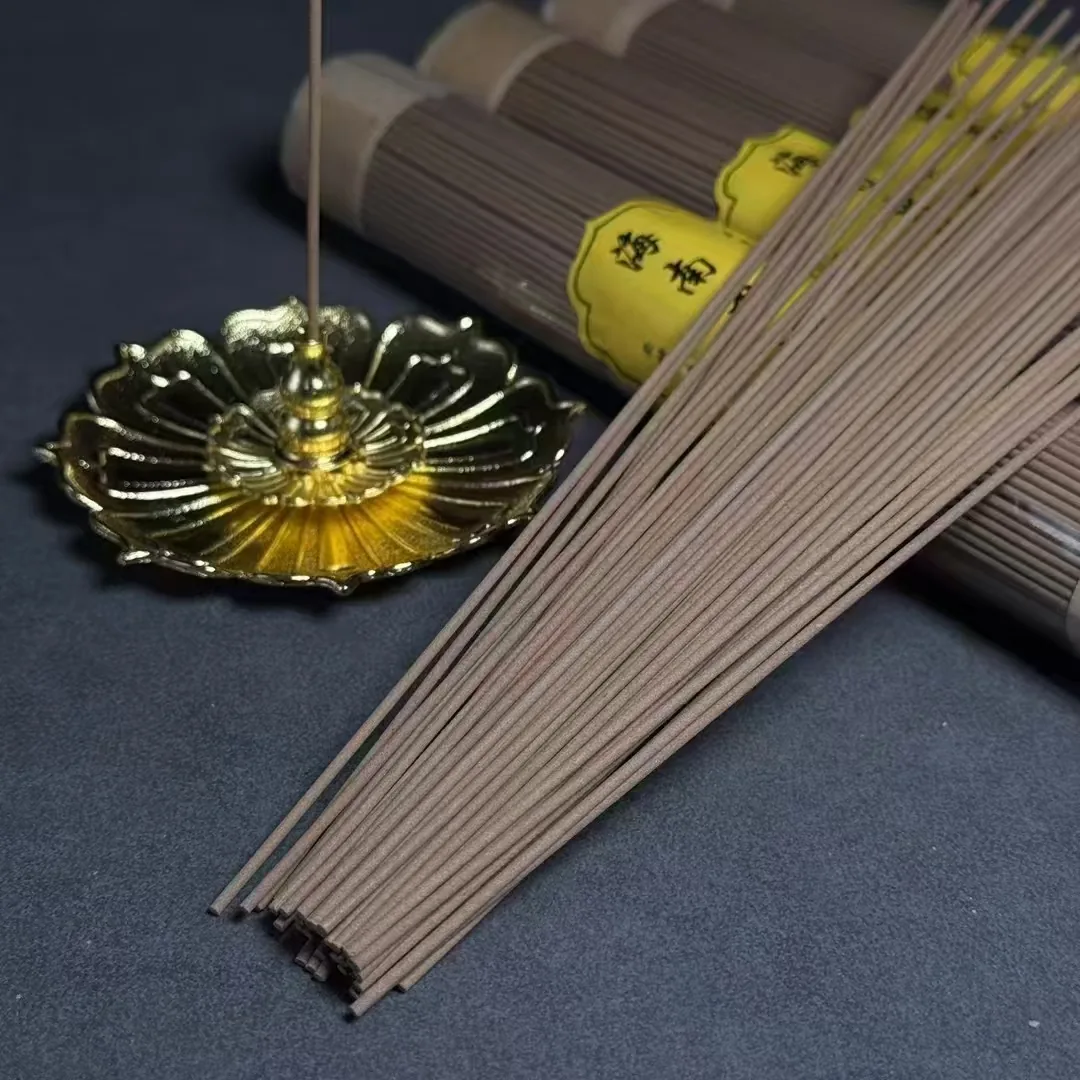
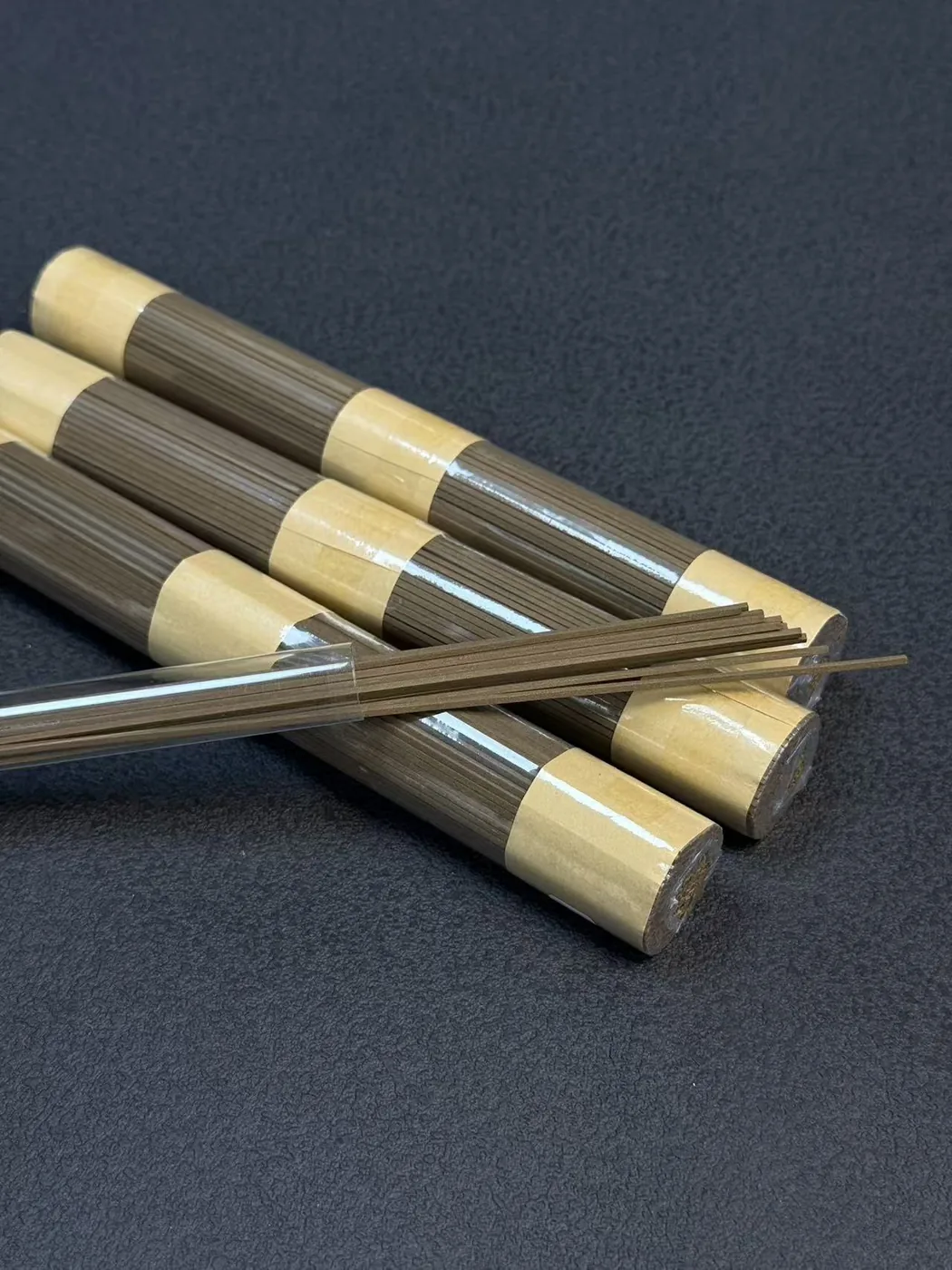
Keep an approved sample in its final packaging, or record why the package is still a prototype. Give it a code that appears on the order and inspection sheet. Photograph the stick, bundle, inner wrap and carton label. Check the actual stick for a bamboo core or a coreless construction; a package illustration must not show one while the approved sample is the other. Measure dimensions and count units if the pack promises them, using a method both parties can repeat.
A burn test helps verify performance claims, but it cannot prove the ingredient list. Run samples under consistent conditions and record the test date, room, holder, number of sticks, interruptions, smoke observations and burn duration. Treat an unusual scent or ash pattern as a reason to ask more questions, not as a chemical identification test. If the listing promises a particular burn time, test several sticks from the same SKU and repeat the check on a later lot before fixing a number in permanent artwork.
Make batch change control part of the label approval
The first approved sample says what the buyer accepted; it does not guarantee that every later production run will use the same ingredients. Ask the supplier to identify changes that require notice before manufacture: agarwood source or form, binder, added scent, colourant, stick dimensions, processing route and packaging material. Specify who may approve a change, how a revised sample will be coded, and when the artwork must be reviewed again. The goal is a clear stop point before an unapproved substitution reaches a printed pack.
Require a lot identifier on the manufacturing and packing records, and agree how that identifier reaches the carton and, where practical, the consumer unit. Keep the purchase order, formula declaration, artwork proof, approved sample record and pre-shipment confirmation together. When a later batch differs, the team can identify which statement changed instead of debating whether it still “smells natural.”
Check the destination before artwork is printed
There is no universal label that makes incense ready for every overseas market. Ask the importer of record or local adviser to review mandatory language, business identification, warnings, ingredient or fragrance disclosures, unit quantity, country-of-origin wording and any market-specific product rules. Keep the reviewed artwork version and the name of the person who approved it. For Arabic-language sales, have a qualified local reviewer check the translated claim, directions and warnings against the English master; do not rely on a literal translation of marketing phrases.
For agarwood-related trade documents, confirm the species and form actually moving across the border and ask the responsible exporter and importer to check applicable CITES and customs requirements for that shipment. The CITES treatment of raw material and finished goods can differ, so a generic statement that every incense stick needs the same permit is unreliable. See the CITES review of Aquilaria and Gyrinops as background and obtain shipment-specific advice from the authorities.
A practical pre-print review sequence
- Freeze the draft claim list across the pack, listing and sales sheet.
- Ask the supplier for an SKU-specific material declaration and the proposed batch identification method.
- Test a coded sample for observable properties, and record the limits of what that test can prove.
- Compare each claim with its evidence; delete or narrow words that the evidence does not support.
- Have the importer review destination-market wording and translations.
- Approve a dated artwork proof and link it to the sample code and formula version.
- Check a finished pre-shipment sample and carton labels against the approved file.
Give every step an owner and a date. If the supplier changes the formula or the brand changes the label after approval, reopen the relevant checks. A short signed record is more useful than a long email chain with no version control.
What NanjaOud can discuss with a buyer
NanjaOud lists agarwood incense products for B2B buyers and coordinates product format and private-label requirements against an order. Public product pages do not establish a universal recipe, fixed agarwood percentage, certification or burn-time guarantee for every SKU. Ask us to confirm the actual material, construction, packing and sample basis for your proposed item before putting those particulars on a label. If you need ingredient-specific or destination-specific documents, list them in the RFQ so availability can be checked for the order.
FAQ
Does “natural agarwood incense sticks” mean there is no added fragrance?
No. The phrase alone does not define a formula. Ask whether the scent comes from wood powder, added agarwood oil, another botanical material or a fragrance compound, and match the final wording to the disclosed composition.
Can a burn test prove a stick contains agarwood?
No. It can show burn behaviour and raise questions about consistency, but it does not identify all ingredients or their proportions. Use a supplier declaration and lot-linked records for composition claims.
Should I print an agarwood percentage on the pack?
Only if the supplier can define and support the figure for the specific SKU and production lots, and the importer has reviewed how the claim must be expressed in the destination market. Confirm the calculation basis before artwork approval.
What happens when a supplier changes the binder or scent?
Put advance notice and approval into the purchase order. Review the new declaration, test a new coded sample if the change affects performance, and update the artwork if the existing claim no longer fits.
Who checks Arabic label wording for Middle East sales?
The importer or brand should arrange a qualified local review of the required language and claims. Ask the supplier for accurate source information, then approve the translated artwork as its own controlled version.
Before you request a quote
Send the intended market, proposed front and back label text, preferred construction, pack format, expected order volume and sample requirement through our contact page. We can then discuss which listed incense product and documentation questions are relevant to your project. Keep the claim file open until the selected sample, formula statement and final artwork agree.


