
Buyer answer: A Hainan agarwood incense sticks supplier should be assessed against an agreed product sample and a written specification. The product name and a photograph do not establish where every ingredient originated, the agarwood proportion, stick dimensions, burn time or manufacturing location. Ask for the exact SKU, composition information available for disclosure, pack configuration and evidence behind any origin statement before placing a wholesale order.
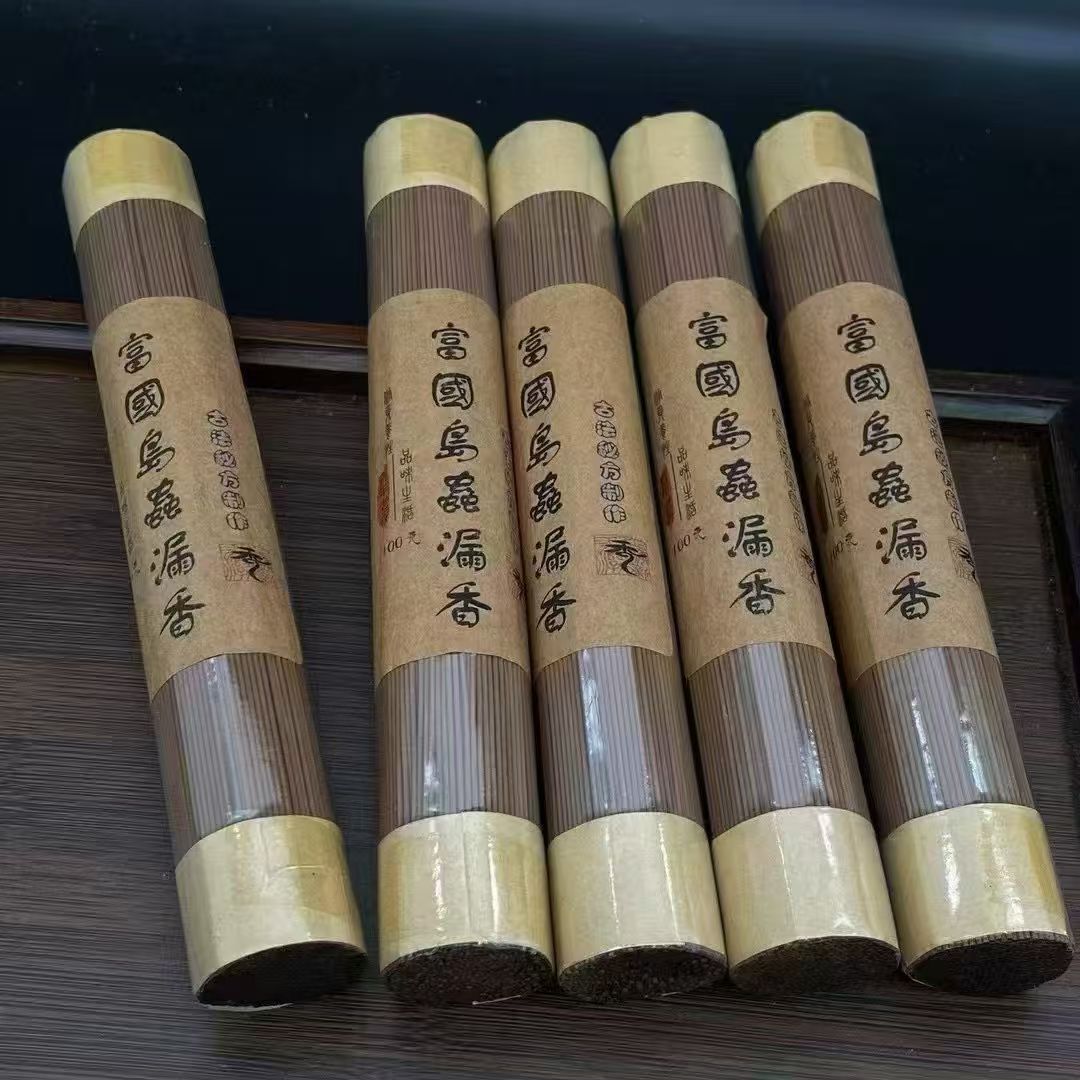
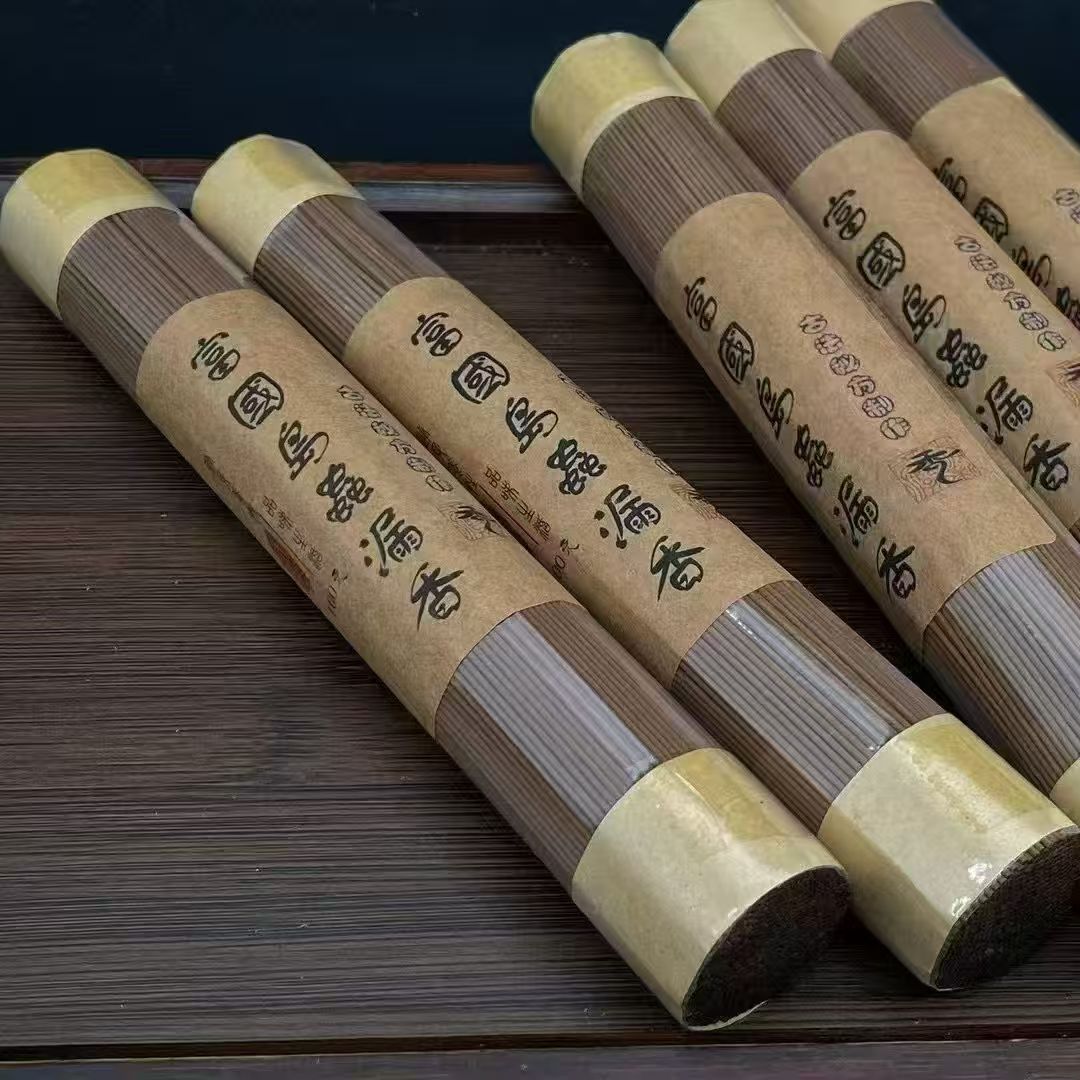
NanjaOud shows a Hainan agarwood incense sticks product in long tube-style packs. The photos help a buyer describe the appearance they are interested in. They do not replace a sample or a specification. This guide is for importers, incense retailers and private-label teams who need a repeatable purchasing decision rather than a persuasive scent description.
Define what “Hainan” means in the quotation
Origin words can refer to the raw wood, fragrance material, location of processing, or product style. Those are different claims. Write down exactly which statement the supplier is making for the proposed SKU and request the supporting records that a buyer will need before repeating that statement on a label or in marketing. If the requested evidence is unavailable, use a narrower description that you can substantiate. A place name on a pack or in a listing is a prompt to verify, not proof of every component's origin.
Similarly, ask what the supplier means by “agarwood incense.” Request the ingredient categories and the distinction between agarwood material, other aromatic ingredients, binders and any added fragrance. Do not infer a percentage or an “all natural” status from the product title. Review the answer with the requirements of the destination market before approving artwork.
Turn the photograph into a sample brief
The first product image shows several tube-style packs with printed paper labels and light-colored end caps. This is useful for an appearance reference. It does not reveal the stick count, exact length, diameter, net weight, seal, carton quantity or durability of the finished pack. Request the actual pack used for the proposed wholesale SKU, then retain a coded approved sample.
| Decision field | Ask the supplier to confirm | Buyer check |
|---|---|---|
| Stick form | Length, diameter, core or coreless format, units per pack. | Measure a coded sample. |
| Formula | Disclosable ingredient categories and any fragrance additions. | Compare with intended label claims. |
| Burn behavior | Reference sample and test method for burn time, smoke and ash. | Run the same method on multiple sticks. |
| Retail pack | Tube material, cap, label, closure and net contents. | Check handling and shelf presentation. |
| Transport pack | Inner protection, master carton and marking. | Check breakage after representative handling. |
| Origin statement | Precisely what “Hainan” describes and available evidence. | Approve only supported claims. |
The fields are an RFQ checklist, not published NanjaOud specifications. A supplier response should identify the proposed SKU and sample code so that different quotations can be compared on the same basis.
Evaluate the sample as a batch, not a single stick
Take several sticks from the proposed retail packs. Check appearance and visible breakage first, then compare unlit aroma and burn behavior under a consistent method. Record the room, holder, ventilation and observation time because those conditions affect perception. Keep comments descriptive: for example, a sample may show more visible smoke than the reference under the same conditions. Avoid calling one sample “stronger” without saying how it was compared.
Repeat the comparison with a later production lot if the brand depends on a stable sensory experience. The objective is to find the acceptable range, not to promise that natural materials never vary. Define in advance how a lot will be accepted, held for review or rejected. If the supplier proposes a formula or pack change, request a new complete sample before approving it.
Ask about private label only after the base SKU is clear
Private label could mean a new paper label, a different tube, a changed fragrance or a new stick formulation. Each option has a different approval path. Ask which elements of the shown product can be supplied as pictured and which can be modified for your quantity and destination. Confirm artwork dimensions, language requirements, proofing and the point at which a change requires a new sample. Keep “can be discussed” separate from “confirmed for this order.”
For a first order, separate the product approval from the retail presentation approval. A beautiful tube cannot compensate for an unapproved formula; a good scent does not compensate for labels that cannot be legally used in the destination market. Document both decisions before requesting the final quotation.
FAQ for wholesale buyers
Does the product name verify that all material comes from Hainan?
No. Ask the supplier what the place name describes for the exact SKU and what supporting information is available. Do not extend the claim beyond that evidence.
Can the photograph establish stick count or burn time?
No. Request a current sample and a written specification. Test burn behavior with an agreed method if it matters to your customers.
What should I send in the first RFQ?
Provide the intended market, expected quantity, target stick and pack format, label language, desired sample configuration and destination. Ask the supplier to identify unresolved questions before quoting.
Next step
For a Hainan agarwood incense project, review the Hainan incense product page for the appearance you want to discuss. Then contact NanjaOud with your intended use, sample request, market and pack brief. A written answer tied to a coded sample is the basis for a defensible wholesale purchase.


