
Buyer answer: When assessing an agarwood perfume and home fragrance supplier, begin with the finished product you intend to sell: the fragrance format, fill, bottle or container, market, label and packaging. A photograph can show presentation; it cannot establish the liquid formula, fill volume, material compatibility, leakage performance or private-label scope. Ask for a current sample and a written specification before comparing quotations.
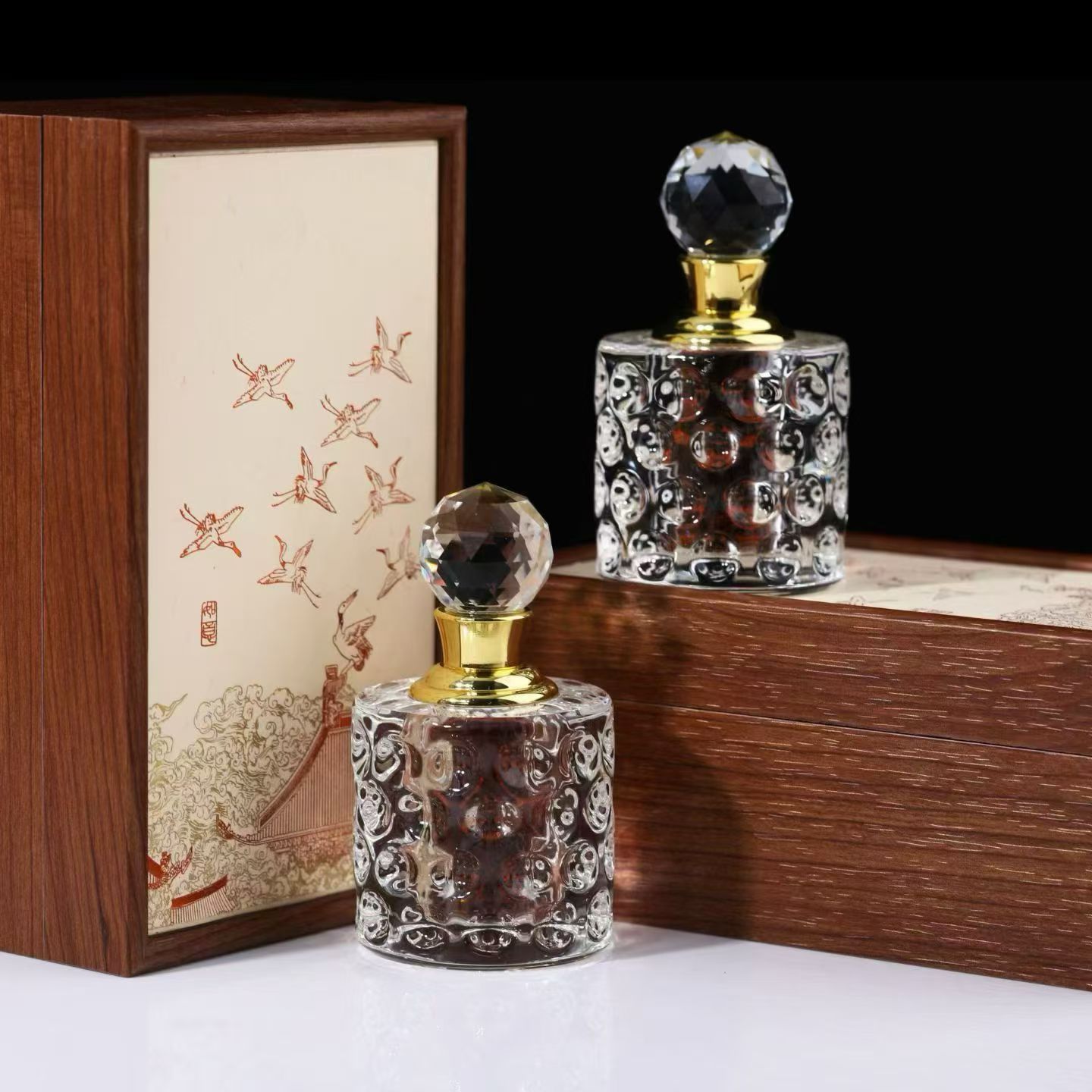
NanjaOud lists a luxury agarwood perfume and home fragrance product. Its product photographs show decorative glass bottles and a wooden presentation box. For an agarwood perfume project, treat those photographs as a starting point for a product discussion, not as evidence that every pictured component or customization is available for your order. The questions below help importers, distributors and private-label teams turn a visual shortlist into a comparable purchasing brief.
Start with the finished product, not the bottle
“Oud fragrance” can mean different things in a purchase order. Is the planned SKU a filled perfume, a fragrance oil, a home scent product or a presentation set? What size and concentration does your market require? Will the supplier provide a finished retail unit or a component that your own team will fill and label? These decisions change the documents, testing and packing questions. State the use case in the first message so that a quotation for a bottle alone is not mistaken for a quotation for a filled fragrance product.
Use the product photograph to identify which visual details you want evaluated. The example below shows two decorative bottles with faceted stoppers beside a wood-look presentation box. It does not show a capacity marking, ingredient declaration or transit pack. Ask separately for those facts.
Build a specification that two suppliers can quote
A useful RFQ identifies the item, target market and decision criteria. Keep the fields in a single version-controlled sheet. If a field is unknown, mark it “supplier to confirm”; do not let an attractive product photo fill the blank by implication.
| RFQ field | What to ask | Why it matters |
|---|---|---|
| Product format | Filled perfume, fragrance oil, home fragrance or empty presentation set? | Prevents unlike quotations being compared. |
| Formula and claims | Ingredient disclosure, fragrance reference sample and proposed label wording. | Supports the buyer's own regulatory and claim review. |
| Container | Fill volume, bottle material, closure type and sample photos of the exact SKU. | Defines the physical unit being ordered. |
| Compatibility | What evidence is available for the proposed liquid and closure combination? | Helps assess leakage and material risk before volume orders. |
| Artwork and box | Printable area, files needed, proofing process and available presentation options. | Separates standard product from requested customization. |
| Transit pack | Inner protection, units per carton and sample-pack test requirements. | Protects a decorative product during distribution. |
| Commercial terms | Quote basis, minimum order quantity, lead time, payment and destination. | Allows a landed-cost comparison once the supplier confirms terms. |
These are questions for a supplier, not published NanjaOud specifications. Obtain the answer for the exact proposed SKU and keep the accepted sample reference with the quotation.
Review a sample in the way your customer will handle it
Photographs are useful for shortlisting; a physical sample is needed for approval. Ask for the same configuration the supplier would produce: fill, bottle, stopper, label and box. Record the sample code and date. Then examine the unit at shelf distance, in the hand and after normal opening and closing. The objective is to document observable differences, not to invent a universal pass mark.
If the item is filled, review the fragrance against a retained reference sample and ask what batch information accompanies the material. If the item is only packaging, test it with the buyer's intended liquid and filling process before declaring it compatible. A clear bottle may photograph well yet reveal color differences or label alignment issues that are obvious on a retail shelf. Agree how those differences will be judged in the written acceptance criteria.
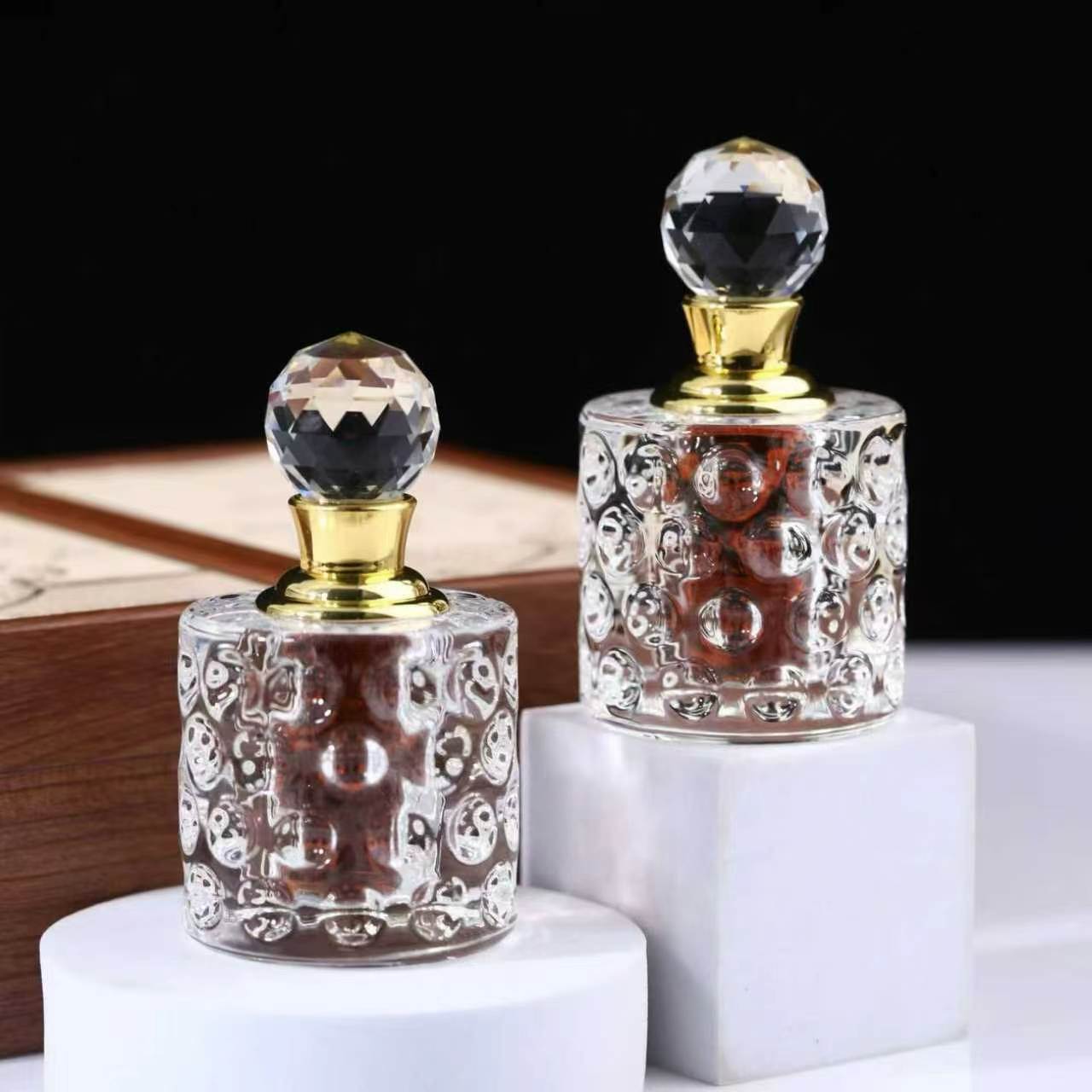
The second product photograph shows the same presentation family from a different view. Use such images to specify appearance in the RFQ, while the supplier confirms the exact bottle, fill and packaging combination available for your project.
Separate private-label options from confirmed capability
“Private label” may describe a new label on a standard unit, an altered box, a different fragrance, or an entirely new pack. Those are different projects. Ask which elements can be changed, which need a fresh sample, and who owns approval of the artwork and finished unit. Request a written project scope rather than assuming that every detail in a product photograph can be customized.
For a brand launch, define the approval sequence: reference fragrance, container, printed proof, complete sample, carton, then production release. Include version numbers and sign-off names. This reduces the risk that the product in the purchase order differs from the attractive sample first shown to the buying team.
Compare landed cost and release risk
A unit price is only one part of the decision. Compare quotations on the same pack configuration, destination and incoterm, then add the costs you actually expect to incur: samples, artwork, protective packing, freight, duties and possible damage. If one offer uses a plain carton and another includes a presentation box, the two prices do not describe the same product.
Before releasing an order, write down what must match the approved sample and what can vary. For appearance, that may include the bottle shape, decoration, stopper and box artwork. For a filled item, add the approved fragrance reference and relevant batch information. Ask the supplier what inspections and records can be supplied; do not infer them from the photograph or a marketing phrase.
FAQ for importers and brand owners
Does the photograph prove that the bottle contains agarwood oil?
No. The photograph shows a presented product. Confirm the exact fill, formula description and supporting documents for the SKU being offered.
Can I order the pictured bottle with my own label?
Ask NanjaOud to confirm the available label and packaging options for your target quantity and market. A product-page title or photograph does not define the customization scope.
What should accompany my first inquiry?
Send the intended product format, target market, expected quantity, preferred presentation, required label language, sample request and destination. Ask for a written response that identifies any information still needed before quotation.
When is a sample ready for approval?
When the buyer has checked the exact proposed configuration and recorded the accepted reference. If formula, closure, artwork or box changes later, approve a new complete sample.
Make the next inquiry specific
Use the NanjaOud fragrance product page to identify the design you are asking about. Then contact NanjaOud with your intended format, destination, estimated quantity and packaging brief. Request confirmation of the actual fill, sample configuration and available customization before comparing prices. The resulting written specification will be more useful to procurement than a visual impression alone.


